Bill · H.R. 7569· House(119-HR-7569)
Punishing Health Care Fraudsters Act
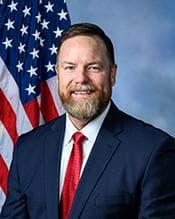
- Introduced
- 2/13/2026
- Last activity
- 2/13/2026 — Referred to the Committee on the Judiciary, and in addition to the Committees on Energy and Commerce, and Ways and Means, for a period to be subsequently determined by the Speaker, in each case for consideration of such provisions as fall within the jurisdiction of the committee concerned.
- Sponsored by
- Aaron Bean
- Cosponsors
- None
- Introduced
- In Committee
What this bill would do
The bill is called the "Punishing Health Care Fraudsters Act" and was introduced to increase penalties for health care fraud. Specifically, it raises the maximum prison terms for health care fraud under title 18 of the United States Code. It also increases the criminal fines and prison terms for acts involving Federal health care programs under the Social Security Act. Additionally, the bill directs the United States Sentencing Commission to review and amend its guidelines and policy statements for these covered offenses. These changes apply to conduct, acts, statements, or representations occurring on or after the date of enactment.
Yes· 3 of 6
Does this shorten or soften prison sentences?+3
Establishes more stringent sentencing guidelines and increased penalties specifically tailored for health care fraud offenses.
Would people over 65 be better off under this?+2
Protects federal health care programs such as Medicare, which heavily benefit seniors, by deterring fraud.
Would households on low incomes be better off under this?+2
Protects public health care programs like Medicaid from fraud, securing resources for low-income individuals.
The opposite
No question was scored the opposite.
Who it would affect, and how
Potential Positive Impacts for People
-
Section 2: This section increases the maximum prison term for health care fraud from 10 years to 25 years, and increases the term to 30 years under certain conditions. This holds wrongdoers more accountable and protects the people by creating a stronger deterrent against stealing from our healthcare systems.
-
Section 3: This section increases specific criminal fines from $100,000 to $250,000, and raises certain prison terms from 10 years to 25 years for acts involving Federal health care programs. It also increases other specific fines and prison terms within the same programs. This is positive because it cracks down harder on those who cheat public health care programs that everyday citizens rely on.
-
Section 4: This section requires the United States Sentencing Commission to review and amend sentencing guidelines to reflect the seriousness of health care fraud. It ensures the guidelines account for factors like financial loss, privacy violations, intent to cause physical or emotional harm, and threats to public health or safety. This helps make sure that criminals who put the public at risk face appropriate and effective punishments.
Potential Negative Impacts for People
- Based on the provided text, there are no specific sections or provisions identified that create negative consequences or burdens for everyday individuals or groups of people in the United States.
Groups and Interests Ranking
Every group the model scored this bill for, from -10 to +10. Hover a score for the reason it gave.
- Demographic And Interest Groups
- Good For Low Income Households+2Good For Retirees+2Good For Seniors+2
- Social Issues And Justice
- Improves Criminal Sentencing Reform+3
- Economy And Finance
- Improves Fiscal Responsibility+2
- Governance And Ideology
- Increases Federal Power+2
- 2/13/2026
- Referred to the Committee on the Judiciary, and in addition to the Committees on Energy and Commerce, and Ways and Means, for a period to be subsequently determined by the Speaker, in each case for consideration of such provisions as fall within the jurisdiction of the committee concerned.
- Introduced in House
One bill Congress.gov lists as related to this one — companions in the other chamber, earlier versions, and bills this one absorbed or was folded into.