Bill · H.R. 7343· House(119-HR-7343)
Foster Youth Workforce Opportunity Act
- Introduced
- 2/4/2026
- Last activity
- 5/11/2026 — Placed on the Union Calendar, Calendar No. 556.
- Sponsored by
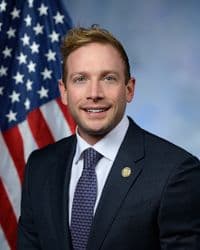
- Max Miller
- Cosponsors
- - 4 - 2
- Introduced
- On Calendar
What this bill would do
The Foster Youth Workforce Opportunity Act aims to amend section 477 of the Social Security Act. This bill expands education and workforce training opportunities for youth who have experienced foster care. It adjusts the age criteria for eligibility to include those who experienced foster care at age 14 or older. The bill also modifies the time limits for program participation. Furthermore, it expands the types of costs that may be covered, such as apprenticeships and remedial education.
Yes· 3 of 6
Would people in their twenties and thirties be better off under this?+5
The bill expands educational and training support for youth who experienced foster care starting at age 14.
Would students be better off under this?+5
The bill expands the types of educational activities and duration of support available to students who experienced foster care.
Does this make college cost less?+5
The bill expands coverage for costs at institutions of higher education, community colleges, and postsecondary vocational institutions.
The opposite
No question was scored the opposite.
Who it would affect, and how
Potential Positive Impacts for People
-
Expanded Eligibility Age: The bill changes the criteria so that youth who experienced foster care at age 14 or older can qualify, rather than only those who aged out of the system. (Section 2, subsections (a)(5) and (h)(2))
-
Extended Program Duration: For youth involved in remedial education activities, the bill allows for participation in the program for up to 6 years instead of 5. (Section 2, subsection (i)(3))
-
Broader Training Options: The bill allows for costs to be covered for participation in apprenticeship programs, obtaining a general equivalency degree, or receiving remedial education. (Section 2, subsection (i)(4))
-
Increased Educational Support: The bill specifies that costs may be available for institutions of higher education, including community colleges or postsecondary vocational institutions, and short-term training programs eligible for the Workforce Pell program. (Section 2, subsection (i)(4)(A))
Potential Negative Impacts for People
- No specific negative impacts are mentioned in the provided text.
Groups and Interests Ranking
Every group the model scored this bill for, from -10 to +10. Hover a score for the reason it gave.
- Demographic And Interest Groups
- Good For Students+5Good For Young Adults+5Good For Low Income Households+4
- Education And Technology
- Improves College Affordability+5
- Social Issues And Justice
- Improves Poverty Reduction+4
- Economy And Finance
- Increases Job Creation+3
- 5/11/2026
- Reported (Amended) by the Committee on Ways and Means. H. Rept. 119-639.
- Placed on the Union Calendar, Calendar No. 556.
- 4/29/2026
- Committee Consideration and Mark-up Session Held
- Ordered to be Reported in the Nature of a Substitute by the Yeas and Nays: 40 - 0.
- 2 Cosponsors added.
- 4/28/2026
- 2 Cosponsors added.
- 4/27/2026
- 1 Cosponsor added.
- 2/4/2026
- Referred to the House Committee on Ways and Means.
- 1 Cosponsor added.
- Introduced in House
One bill Congress.gov lists as related to this one — companions in the other chamber, earlier versions, and bills this one absorbed or was folded into.
 Danny Davis
Democrat · Illinois
 Dwight Evans
Democrat · Pennsylvania
 Kevin Hern
Republican · Oklahoma
 Nicole Malliotakis
Republican · New York
 Adrian Smith
Republican · Nebraska
 David Schweikert
Republican · Arizona