Bill · H.R. 7301· House(119-HR-7301)
Maximizing Transportation Efficiency Act
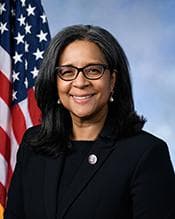
- Introduced
- 1/30/2026
- Last activity
- 1/31/2026 — Referred to the Subcommittee on Highways and Transit.
- Sponsored by
- Marilyn Strickland
- Cosponsors
- - 2 - 0
- Introduced
- In Committee
What this bill would do
The Maximizing Transportation Efficiency Act aims to develop transportation demand management (TDM) strategies to improve efficiency and reduce congestion. The bill updates various sections of the United States Code to include TDM as a recognized method for improving mobility and air quality. It expands the scope of several existing federal grant and assistance programs to incorporate these strategies. A specific $20,000,000 set-aside is created to fund TDM development and implementation specifically in rural areas. Additionally, the bill establishes a $20,000,000 set-aside for small projects within the congestion relief program.
Yes· 3 of 15
Would people in rural areas be better off under this?+5
The $20,000,000 set-aside is dedicated to providing better transportation and essential service access for rural communities.
Does this invest in rural communities?+4
The $20,000,000 set-aside specifically targets rural areas to improve mobility and access to essential services.
Would people over 65 be better off under this?+3
The bill addresses the disproportionate number of elderly residents in rural areas by improving their access to essential services.
The opposite
No question was scored the opposite.
Who it would affect, and how
Potential Positive Impacts for People
-
Improved Access and Mobility: TDM strategies are intended to increase the efficiency of existing infrastructure, providing greater access to jobs and services (Section 2).
-
Support for Rural Communities: The bill addresses disparities in rural areas by providing transportation options for those who lack access to a car (Section 2).
-
Targeted Rural Funding: A $20,000,000 set-aside is designated to improve mobility and increase access to jobs and modal options for families and communities in rural areas (Section 4).
-
Reduced Costs and Congestion: The bill notes that TDM can help lower the cost of congestion and increase the efficiency of the transportation system (Section 2).
-
Support for Diverse Work and Travel Styles: The definition of TDM includes provisions for promoting telecommuting, remote, and hybrid work schedules, as well as supporting micromobility and pedestrian infrastructure (Section 3).
-
Small Project Opportunities: A $20,000,000 set-aside is created for projects with estimated costs between $500,000 and $10,000,000 (Section 5).
Potential Negative Impacts for People
- Costs to Travelers: TDM strategies may include the "appropriate pricing of parking, tolls, transit, and other options" (Section 3).
Groups and Interests Ranking
Every group the model scored this bill for, from -10 to +10. Hover a score for the reason it gave.
- Demographic And Interest Groups
- Good For Rural Residents+5Good For Low Income Households+3Good For Seniors+3Good For Native Americans+2Good For People With Disabilities+2Good For Children+1
- Environment Energy And Infrastructure
- Improves Rural Development+4Improves Public Transit+3Improves Roads And Bridges+2Reduces Carbon Emissions+2
- Economy And Finance
- Improves Economic Growth+2Improves Small Business Support+2Increases Job Creation+2
- Social Issues And Justice
- Improves Disability Rights+2Improves Poverty Reduction+1
- 6/3/2026
- 2 Cosponsors added.
- 1/31/2026
- Referred to the Subcommittee on Highways and Transit.
- 1/30/2026
- Referred to the House Committee on Transportation and Infrastructure.
- Introduced in House
One bill Congress.gov lists as related to this one — companions in the other chamber, earlier versions, and bills this one absorbed or was folded into.
 John Garamendi
Democrat · California
 Emily Randall
Democrat · Washington