Bill · H.R. 7231· House(119-HR-7231)
Lobbyist Loophole Closure Act
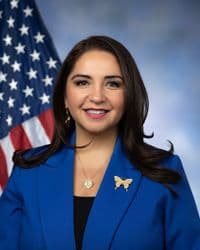
- Introduced
- 1/22/2026
- Last activity
- 1/22/2026 — Referred to the House Committee on the Judiciary.
- Sponsored by
- Delia Ramirez
- Cosponsors
- - 5 - 0
- Introduced
- In Committee
What this bill would do
This bill, known as the "Lobbyist Loophole Closure Act," aims to amend the Lobbying Disclosure Act of 1995. It seeks to expand the scope of individuals and activities that are subject to current disclosure requirements. Specifically, it changes how legislative, political, and strategic counseling services are treated in relation to lobbying activities. The bill also lowers the percentage exemption used to determine if an individual must register as a lobbyist. These changes would apply to lobbying contacts made on or after the date the Act is enacted.
Yes
Does this make what the government does easier for the public to see?+6
The bill expands disclosure requirements to include strategic counseling and lowers the threshold for registration, making more lobbying activity public.
Does this limit the influence of paid lobbyists?+4
The bill increases transparency and the threshold for registration, which limits the influence of unregistered lobbying activities.
The opposite
Would high-income households be better off under this?-3
The bill increases regulatory and registration burdens on high-income earners who engage in strategic counseling and lobbying.
Would business owners be better off under this?-3
The bill increases the compliance and registration burden for those providing strategic counseling and lobbying services.
Who it would affect, and how
Potential Positive Impacts for People
-
Increased Transparency of Counseling Services: By amending Section 3(7) to include "any efforts" and specifically including "counseling in support of such preparation and planning activities, research, and other background work," the bill brings more strategic and political counseling under the umbrella of lobbying activity.
-
Accountability for Influential Counselors: Under Section 2(a)(2), individuals who provide counseling services for compensation and have the authority to influence a lobbying contact made by another person will now be considered to have made that same contact. This ensures those directing the strategy are held to the same standards as those making the direct contact.
-
Lower Threshold for Lobbyist Registration: Section 2(b) reduces the percentage exemption from "less than 20 percent" to "less than 10 percent." This change means more individuals will be required to register as lobbyists based on the amount of their activity.
Potential Negative Impacts for People
-
Expanded Regulatory Requirements: Because Section 2(a)(1) and (2) expand the definition of lobbying activity and contact to include strategic counseling and those who influence such contacts, more individuals may now fall under the requirements of the Lobbying Disclosure Act of 1995.
-
Increased Registration Burden: Per Section 2(b), the reduction of the threshold from 20 percent to 10 percent means that individuals performing smaller amounts of lobbying activity will now be required to register as lobbyists.
Groups and Interests Ranking
Every group the model scored this bill for, from -10 to +10. Hover a score for the reason it gave.
- Governance And Ideology
- Improves Government Transparency+6Reduces Lobbying+4
- Demographic And Interest Groups
- Good For Business Owners-3Good For High Income Households-3
- 1/30/2026
- 2 Cosponsors added.
- 1/22/2026
- Referred to the House Committee on the Judiciary.
- 3 Cosponsors added.
- Introduced in House
 Val Hoyle
Democrat · Oregon
 Kevin Mullin
Democrat · California
 Lateefah Simon
Democrat · California
 Paul Tonko
Democrat · New York
 Nikema Williams
Democrat · Georgia