Bill · H.R. 7201· House(119-HR-7201)
Rural Service and Workforce Corps Act
- Introduced
- 1/22/2026
- Last activity
- 3/20/2026 — Referred to the Subcommittee on Commodity Markets, Digital Assets, and Rural Development.
- Sponsored by
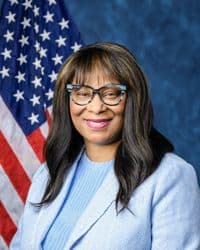
- Janelle Bynum
- Cosponsors
- None
- Introduced
- In Committee
What this bill would do
The Rural Service and Workforce Corps Act seeks to establish a program to address critical workforce shortages in rural areas. The Secretary of Agriculture will design this program to provide financial assistance such as scholarships, tuition assistance, and student loan repayment. In exchange, participants must commit to 3 years of service in designated rural areas. The program prioritizes sectors like health care, skilled trades, energy infrastructure, and utilities. It also targets specific locations including persistent poverty counties and health professional shortage areas.
Yes· 3 of 14
Would students be better off under this?+7
The bill offers direct financial benefits like scholarships and student loan repayment for students entering priority sectors.
Would people in rural areas be better off under this?+7
The bill aims to address critical workforce shortages in healthcare, utilities, and skilled trades within rural areas.
Does this make college cost less?+7
The bill provides scholarships, tuition assistance, and student loan repayment to participants.
The opposite
No question was scored the opposite.
Who it would affect, and how
Potential Positive Impacts for People
-
Financial Assistance for Workers: The program provides scholarships, tuition assistance, student loan repayment, stipends, wage support, and relocation or retention incentives (Section 2(a)(1)). This can help individuals manage the costs of education and career transitions.
-
Addressing Workforce Shortages in Critical Sectors: The program prioritizes filling roles in health care, skilled trades, energy infrastructure, and utilities (Section 2(a)(2)). This can benefit people in areas needing primary care, dental services, or essential services like water and broadband.
-
Support for Specific Communities: The program targets rural areas categorized as persistent poverty counties, health professional shortage areas, or locations where Indian tribal, Alaska Native, or Native Hawaiian communities reside (Section 2(a)(3)).
-
Broad Employer Participation: The program allows public, nonprofit, cooperative, tribal, and private employers to participate, provided they meet established wage and training standards (Section 2(a)(4)).
Potential Negative Impacts for People
- Service Commitment Requirement: Individuals participating in the program must commit to 3 years of service in a designated rural area in exchange for benefits (Section 2(a)(1)). This may limit a person's geographic and professional mobility for that duration.
Groups and Interests Ranking
Every group the model scored this bill for, from -10 to +10. Hover a score for the reason it gave.
- Demographic And Interest Groups
- Good For Rural Residents+7Good For Students+7Good For Young Adults+6Good For Low Income Households+5Good For Native Americans+5
- Education And Technology
- Improves College Affordability+7Improves Student Loan Relief+7Improves Internet Access+4
- Economy And Finance
- Increases Job Creation+5Improves Small Business Support+4
- Healthcare
- Improves Healthcare Access+6
- Environment Energy And Infrastructure
- Increases Renewable Energy Investment+3Improves Public Transit+2
- Social Issues And Justice
- Improves Poverty Reduction+4
- 3/20/2026
- Referred to the Subcommittee on Commodity Markets, Digital Assets, and Rural Development.
- 1/22/2026
- Referred to the Committee on Agriculture, and in addition to the Committee on Education and Workforce, for a period to be subsequently determined by the Speaker, in each case for consideration of such provisions as fall within the jurisdiction of the committee concerned.
- Introduced in House