Bill · H.R. 7159· House(119-HR-7159)
Protecting Local Zoos Act of 2026
- Introduced
- 1/20/2026
- Last activity
- 2/4/2026 — Subcommittee Hearings Held
- Sponsored by
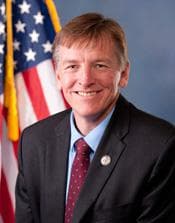
- Paul Gosar
- Cosponsors
- - 1 - 1
- Introduced
- In Committee
What this bill would do
The Protecting Local Zoos Act of 2026 seeks to amend the Lacey Act Amendments of 1981 regarding captive wildlife offenses. It adjusts provisions to include entities licensed to hold animals under a Class B license from the Department of Agriculture. The bill expands definitions to include owners, executives, volunteers, and various veterinary professionals. It also creates a new category for persons who register prohibited wildlife species with the United States Fish and Wildlife Service. This registration requires that the person does not breed, acquire, sell, exhibit, or allow public contact with these species. Finally, the bill modifies the definition of prohibited wildlife species to exclude snow leopards, clouded leopards, and their hybrids.
Yes
Would business owners be better off under this?+5
The bill eases restrictions on specific wildlife species and allows for regulated international trade.
Does this make trade with other countries easier?+4
The bill explicitly allows compliant entities to export to or import from authorized foreign entities.
Does this make it easier to run a small business?+3
The bill provides a registration pathway and allows for international trade flexibility for certain wildlife-holding entities.
The opposite
Does this better protect air, water and wildlife?-2
The bill reduces environmental protections by excluding snow leopards and clouded leopards from the definition of prohibited wildlife species.
Who it would affect, and how
Potential Positive Impacts for People
-
Registration Benefits: Individuals or entities in possession of prohibited wildlife species can register them with the United States Fish and Wildlife Service to potentially qualify for exceptions under the law (Section 2(a)(2)(A)(iii)).
-
International Trade Flexibility: Compliant entities or facilities may be permitted to export to or import from foreign entities that are authorized and lawfully operating in their respective countries (Section 2(a)(2)(F) and Section 2(a)(3)).
-
Species Exclusions: The definition of prohibited wildlife species will no longer include the snow leopard, the clouded leopard, or any hybrid of those species (Section 2(b)).
-
Registration Cancellation Process: Registered entities or individuals have a process to submit an application to the Secretary of the Interior to cancel their registration if they qualify for an exception (Section 2(a)(2)(F)(4)).
Potential Negative Impacts for People
-
Increased Restrictions for Registered Owners: Once a person registers prohibited wildlife species, they are prohibited from breeding, acquiring, or selling those species, and they cannot allow the public to have direct contact with them or exhibit them to the public (Section 2(a)(2)(F)(i)).
-
Expanded Liability: The bill expands the scope of who can be involved in these regulations to include owners, executives, volunteers, and various medical professionals like veterinary assistants or technicians (Section 2(a)(2)(A)(i)).
Groups and Interests Ranking
Every group the model scored this bill for, from -10 to +10. Hover a score for the reason it gave.
- Demographic And Interest Groups
- Good For Business Owners+5
- National Security And Foreign Policy
- Improves International Trade+4
- Economy And Finance
- Improves Small Business Support+3
- Environment Energy And Infrastructure
- Improves Environmental Protections-2
- 3/4/2026
- 1 Cosponsor added.
- 2/4/2026
- Subcommittee Hearings Held
- 1/28/2026
- Referred to the Subcommittee on Water, Wildlife and Fisheries.
- 1/21/2026
- 1 Cosponsor added.
- 1/20/2026
- Referred to the House Committee on Natural Resources.
- Introduced in House
 Carol Miller
Republican · West Virginia
 Darren Soto
Democrat · Florida