Bill · H.R. 7157· House(119-HR-7157)
Supporting Teachers Through Tax Fairness Act
- Introduced
- 1/20/2026
- Last activity
- 1/20/2026 — Referred to the House Committee on Ways and Means.
- Sponsored by
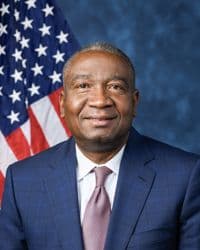
- Cleo Fields
- Cosponsors
- None
- Introduced
- In Committee
What this bill would do
The Supporting Teachers Through Tax Fairness Act aims to amend the Internal Revenue Code of 1986. It proposes to exclude up to the first $50,000 of wages from gross income for eligible K-12 public school educators. This exclusion can increase to $65,000 for specific educators working in schools where at least 75 percent of students qualify for free or reduced-cost lunches, in rural areas, or in special education and STEM fields. Eligible educators must work at least 900 hours during a school year. The changes would apply to taxable years beginning after December 31, 2025.
Yes· 3 of 10
Would middle-income households be better off under this?+7
The tax exclusion of up to $50,000 directly benefits middle-income educators by reducing their taxable income.
Does this cut taxes for middle-income families?+7
The bill provides a significant tax exclusion of up to $50,000 or $65,000 for K-12 public school educators.
Would people in rural areas be better off under this?+5
The bill provides an increased tax exclusion for educators working in rural areas.
The opposite
Does this reduce what the federal government spends?-3
The tax exclusion reduces federal tax revenue, which effectively increases the government's fiscal deficit or spending requirements.
Who it would affect, and how
Potential Positive Impacts for People
-
Tax relief for K-12 educators: Individuals working as kindergarten through grade 12 teachers, instructors, counselors, or aides in public elementary or secondary schools can exclude up to $50,000 of their wages from gross income (Section 2(a)).
-
Increased benefits for specific educators: Certain educators may see an increased exclusion of up to $65,000 if they work in schools where at least 75 percent of students are eligible for free or reduced-cost lunches, in rural areas, or if they are involved in special education, science, technology, engineering, or mathematics (Section 2(a)(2)(A)).
Potential Negative Impacts for People
- No specific negative impacts are mentioned in the text.
Groups and Interests Ranking
Every group the model scored this bill for, from -10 to +10. Hover a score for the reason it gave.
- Demographic And Interest Groups
- Good For Middle Class Households+7Good For Rural Residents+5Good For Low Income Households+4Good For Union Workers+4Good For Young Adults+3Good For Hispanic Americans+2
- Economy And Finance
- Reduces Middle Class Taxes+7Improves Economic Growth+2Reduces Government Spending-3
- Education And Technology
- Increases Public School Funding+4
- Social Issues And Justice
- Improves Poverty Reduction+3
- 1/20/2026
- Referred to the House Committee on Ways and Means.
- Introduced in House