Bill · H.R. 7140· House(119-HR-7140)
CLEAR Act
- Introduced
- 1/16/2026
- Last activity
- 1/16/2026 — Referred to the House Committee on the Judiciary.
- Sponsored by
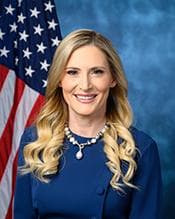
- Laurel Lee
- Cosponsors
- - 0 - 1
- Introduced
- In Committee
What this bill would do
The "Customer Legal Ease and Relief Act," or the "CLEAR Act," aims to protect main street retailers and end users during patent infringement legal actions. It requires a court to grant a stay on legal actions against a retailer or end user if the manufacturer of the product is already involved in the case. To qualify, the retailer or end user must agree to certain conditions regarding future legal actions and injunctions. The stay can be lifted if it is shown the manufacturer cannot pay damages. This bill amends Chapter 29 of title 35 of the United States Code.
Yes· 3 of 4
Does this make it easier to run a small business?+6
The bill protects retailers from being primary targets in patent litigation by allowing them to stay legal actions while the manufacturer is sued.
Would business owners be better off under this?+6
The act provides financial and legal breathing room for entities acting as retailers in the supply chain.
Does this make patent and copyright rules fairer?+5
The bill provides relief to secondary parties in patent infringement cases, focusing the litigation on the actual manufacturer.
The opposite
Does this protect the right to fair treatment by the courts?-4
The bill mandates that participants waive future legal defenses under section 282(b) as a condition for the stay.
Who it would affect, and how
Potential Positive Impacts for People
-
Court-Ordered Stays for Retailers and End Users: Under Section 2, a court must grant a motion to stay part of a legal action against a retailer or end user if the manufacturer is a party to the action or a separate action (Section 299A(a)(1)). This provides relief from being directly involved in patent litigation while the manufacturer is being sued.
-
Protection from Financial Risk: The bill allows for a stay to remain in place unless there is a showing that the manufacturer cannot satisfy a damages judgment (Section s 299A(b)). This helps ensure that the legal process focuses on the primary manufacturer before targeting those further down the supply chain.
-
Financial Safeguards: The court has the authority to require a bond or escrow if there is a substantial likelihood that a manufacturer will not satisfy a damages judgment (Section 299A(c)). This provides a mechanism to ensure funds are available.
Potential Negative Impacts for People
-
Mandatory Legal Waivers: To receive a stay, a retailer or end user must agree to waive all defenses under section 282(b) for future actions involving the same product from the same manufacturer (Section 299A(a)(3)(A)). This limits their ability to defend themselves in future related legal matters.
-
Binding Legal Agreements: The retailer or end user must agree to be bound by any issue decided in the action involving the manufacturer (Section 299A(a)(3)(B)) and any injunction issued (Section 299A(a)(4)). This forces them to accept the outcomes of a legal battle they were stayed from participating in.
-
Requirement for Financial Security: If a court finds a manufacturer is unlikely to pay damages, the retailer or end user may be required to post a bond or place funds/property in escrow (Section 299A(c)). This could create a financial burden or tie up assets for the individual or entity.
Groups and Interests Ranking
Every group the model scored this bill for, from -10 to +10. Hover a score for the reason it gave.
- Economy And Finance
- Improves Small Business Support+6Improves Consumer Protection+3
- Demographic And Interest Groups
- Good For Business Owners+6
- Education And Technology
- Improves Intellectual Property Fairness+5
- Governance And Ideology
- Improves Due Process-4
- 1/16/2026
- Referred to the House Committee on the Judiciary.
- 1 Cosponsor added.
- Introduced in House
 Zoe Lofgren
Democrat · California