Bill · H.R. 7072· House(119-HR-7072)
FAIR Justice Act
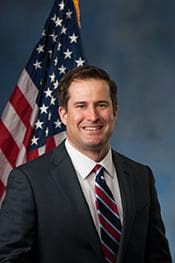
- Introduced
- 1/14/2026
- Last activity
- 1/14/2026 — Referred to the House Committee on the Judiciary.
- Sponsored by
- Seth Moulton
- Cosponsors
- None
- Introduced
- In Committee
What this bill would do
This bill, known as the "FAIR Justice Act," aims to prohibit politically motivated prosecutions and investigations. It would make it unlawful for "covered persons" to request that Department of Justice officers conduct criminal prosecutions or investigations for solely political purposes. The bill also requires Department of Justice employees to report such prohibited requests to the Inspector General within 45 days. Violators could face fines and imprisonment for up to five years. This act amends Title 18 of the United States Code to include these new protections.
Yes· 3 of 6
Does this protect the right to fair treatment by the courts?+7
The bill protects individuals from being subjected to criminal investigations or prosecutions that are motivated by political rather than legal interests.
Does this make what the government does easier for the public to see?+6
The mandatory reporting of politically motivated requests to the Inspector General increases the transparency of Department of Justice decision-making processes.
Does this change how police departments operate?+5
The bill implements oversight by requiring Department of Justice employees to report prohibited political requests to the Inspector General.
The opposite
No question was scored the opposite.
Who it would affect, and how
Potential Positive Impacts for People
-
Prevention of Political Prosecutions: The bill prohibits covered persons, such as the President and Vice President, from requesting investigations or prosecutions for purely political reasons (Section 2(a)). This could prevent individuals from being targeted by the government due to political motives.
-
Increased Accountability through Reporting: Employees of the Department of Justice are required to report any prohibited requests to the Inspector General within 45 days (Section 2(b)). This creates a mechanism to ensure that improper requests are documented and overseen.
-
Strict Penalties for Misconduct: Violators of these new rules can be fined and face up to five years in prison (Section 2(c)). This establishes a legal consequence for those who attempt to use the justice system for political ends.
Potential Negative Impacts for People
- Criminal Penalties for Government Employees: Department of Justice officers or employees could face fines and up to five years in prison if they knowingly fail to report a request they believe to be prohibited (Section 2(b) and Section 2(c)).
Groups and Interests Ranking
Every group the model scored this bill for, from -10 to +10. Hover a score for the reason it gave.
- Governance And Ideology
- Improves Due Process+7Improves Government Transparency+6
- Social Issues And Justice
- Improves Policing Reform+5Improves Racial Equity+3
- Demographic And Interest Groups
- Good For African Americans+3Good For People With Disabilities+2
- 1/14/2026
- Referred to the House Committee on the Judiciary.
- Introduced in House