Bill · H.R. 7067· House(119-HR-7067)
No Violent Criminals in the Federal Workforce Act
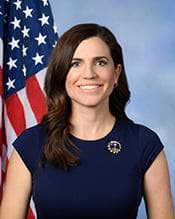
- Introduced
- 1/14/2026
- Last activity
- 1/14/2026 — Referred to the House Committee on Oversight and Government Reform.
- Sponsored by
- Nancy Mace
- Cosponsors
- - 1 - 0
- Introduced
- In Committee
What this bill would do
The "No Violent Criminals in the Federal Workforce Act" aims to prevent people convicted of crimes of violence from working for the federal government. It makes such individuals ineligible to accept or hold civil service positions. If someone is currently in a position when a final conviction occurs, they must be removed. The bill also prohibits the federal government from entering contracts with individuals or entities where a convicted person holds a leadership or controlling role. Agency heads must include clauses in contracts to ensure these individuals do not perform work.
Who it would affect, and how
Potential Positive Impacts for People
-
Civil Service Integrity: By making individuals convicted of crimes of violence ineligible for civil service positions, the bill prevents these individuals from holding or accepting jobs within the federal workforce (Section 2(a)).
-
Contractual Restrictions: The bill prevents the federal government from entering into contracts with entities where a convicted individual holds a leadership or controlling position, such as an officer, director, or owner (Section 3(a)).
-
Contractual Oversight: Agency heads are required to include specific clauses in contracts to ensure that prohibited individuals are not working on those contracts (Section 3(a)).
Potential Negative Impacts for People
-
Job Loss for Current Employees: Individuals currently holding civil service positions may be removed from their jobs if they receive a final conviction for a crime of violence (Section 2(a)).
-
Business and Contract Burdens: The government may be prohibited from entering contracts with certain entities, which could impact businesses if a covered individual holds a position as an officer, director, or controlling owner (Section 3(a)).
-
Potential for Contract Termination: While a waiver is possible, the act implies that a contract could be affected by the presence of a covered individual, which the Director of the Office of Management and Budget must evaluate for unique or undue burdens (Section 3(b)).
Groups and Interests Ranking
Every group the model scored this bill for, from -10 to +10. Hover a score for the reason it gave.
No significant interests or groups are affected by this bill.
- 1/14/2026
- Referred to the House Committee on Oversight and Government Reform.
- 1 Cosponsor added.
- Introduced in House
 Tim Burchett
Republican · Tennessee