Bill · H.R. 6982· House(119-HR-6982)
Preventing Prosecutors from Protecting Predators Act of 2026
- Introduced
- 1/8/2026
- Last activity
- 1/8/2026 — Referred to the House Committee on the Judiciary.
- Sponsored by
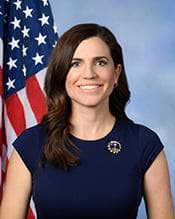
- Nancy Mace
- Cosponsors
- - 1 - 0
- Introduced
- In Committee
What this bill would do
This bill, known as the "Preventing Prosecutors from Protecting Predators Act of 2026," seeks to amend the Omnibus Crime Control and Safe Streets Act of 1968. It establishes new reporting requirements for certain prosecutorial offices that receive funds for combating violence against women. These offices must submit annual reports to the Attorney General regarding specific data on "covered offenses." The data includes details on case numbers, declinations, bail conditions, plea agreements, and sentencing outcomes. The Attorney General is tasked with creating uniform standards for these reports and sharing the information with the House and Senate Judiciary Committees. Additionally, the bill outlines penalties for offices that fail to comply with these reporting requirements.
Yes· 3 of 4
Does this make what the government does easier for the public to see?+8
The bill mandates the public release of data regarding case declinations, bail outcomes, and sentencing information.
Does this change how police departments operate?+5
The bill implements increased oversight and transparency requirements for prosecutorial offices regarding sexual and violent offenses.
Would children be better off under this?+4
The bill enhances oversight of crimes including child sexual abuse and the production of child pornography.
The opposite
No question was scored the opposite.
Who it would affect, and how
Potential Positive Impacts for People
-
Increased Transparency: The Attorney General must publish the collected information on a publicly viewable website, allowing the public to see data regarding prosecutions of covered offenses (Section 2(c)).
-
Accountability for Prosecutorial Decisions: Chief prosecuting officers must report the number of cases they declined to prosecute and provide the reasoning for those decisions (Section 2(a)(2)).
-
Oversight of Criminal Histories: The reporting requires data on whether defendants had previous arrests, convictions, pending cases, or were on probation or parole, which provides a clearer picture of offender history (Section 2(a)(3)).
-
Insight into Bail and Detention: The bill requires reporting on bail requests, amounts, and outcomes such as failure to appear or rearrest, as well as the number of defendants held in pretrial detention (Section 2(a)(4)).
-
Legislative Oversight: The information received by the Attorney General must be submitted to the Committee on the Judiciary of both the Senate and the House of Representatives (Section 2(c)).
Potential Negative Impacts for People
-
Financial Penalties for Offices: If a covered office fails to submit the required report, the Attorney General will withhold between 25 percent and 50 percent of the funds allocable to that office under this part (Section 2(f)(1)).
-
Grant Reductions for High Declination Rates: If an office declines to prosecute more than half of the total cases referred to it, the Attorney General can require a corrective action plan and may reduce or suspend future grant eligibility for up to two fiscal years (Section 2(f)(2)).
Groups and Interests Ranking
Every group the model scored this bill for, from -10 to +10. Hover a score for the reason it gave.
- Demographic And Interest Groups
- Good For Children+4Good For Women+4
- Governance And Ideology
- Improves Government Transparency+8
- Social Issues And Justice
- Improves Policing Reform+5
- 1/8/2026
- Referred to the House Committee on the Judiciary.
- 1 Cosponsor added.
- Introduced in House
 Randy Fine
Republican · Florida