Bill · H.R. 689· House(119-HR-689)
FREE Act
- Introduced
- 1/23/2025
- Last activity
- 10/28/2025 — Placed on the Union Calendar, Calendar No. 303.
- Sponsored by
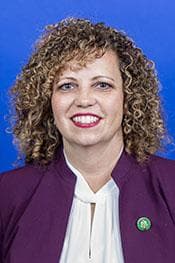
- Celeste Maloy
- Cosponsors
- - 19 - 0
- Introduced
- On Calendar
What this bill would do
The "Full Responsibility and Expedited Enforcement Act" requires federal agencies to evaluate their current permitting systems to see if they can be replaced by a "permitting by rule" process. This new process would involve applicants certifying they meet specific written standards rather than undergoing a full agency review. Agencies must submit detailed reports to Congress regarding their current permit types, review steps, and typical timelines. If an agency identifies that permitting by rule is possible, they must establish a streamlined application process. This new process includes a 180-day window after which an application is deemed granted if no action is taken. The bill aims to reduce the delays, costs, and broad discretion currently found in agency permitting systems.
Yes· 3 of 17
Would business owners be better off under this?+6
Significant benefits for business owners through reduced waiting times and predictable regulatory paths.
Does this make it easier to run a small business?+5
A streamlined permitting process reduces the time-consuming and expensive burdens often faced by smaller entities.
Is this likely to grow the economy?+4
Reducing regulatory delays and administrative costs can stimulate economic activity across various sectors.
The opposite· 3 of 6
Does this better protect air, water and wildlife?-3
The shift to 'permitting by rule' may prioritize speed over comprehensive environmental scrutiny.
Does this give people more protection from unfair business practices?-2
Simplified review processes might reduce the depth of scrutiny applied to potential risks.
Would union members be better off under this?-2
Streamlined processes might reduce the time required for procedural oversight that unions often utilize.
Who it would affect, and how
Potential Positive Impacts for People
-
Reduced Delay and Expense: The bill seeks to overcome the "tedious, time consuming, and often expensive" permitting system that currently exists for both the government and private interests (Section 2, Findings).
-
Streamlined Approval Process: Under the "permitting by rule" system, applications can be granted automatically if the agency does not act within 180 days after a completed application is submitted (Section 3(c)(1)(C)).
-
Standardized Requirements: The new process requires agencies to specify in writing each requirement and substantive standard that must be met, allowing applicants to provide certifications rather than a full review (Section 3(c)(1)(A-B)).
-
Increased Accountability for Delays: If an agency fails to submit its required report on time, it may be required to pay the attorney fees and costs of applicants who file claims regarding permit delays (Section 3(b)(4)).
-
Protection Against Unjustified Actions: In cases where an applicant appeals a permit disapproval, suspension, or revocation, the agency bears the burden of proof to show that its action was lawful (Section 3(c)(4)(D)).
-
Recourse for Unjustified Decisions: If a court finds that an agency was not "substantially justified" in its decision to deny, suspend, or revoke a permit, the agency must pay the applicant's attorney fees and costs (Section 3(c)(4)(E)).
Potential Negative Impacts for People
-
Potential for Increased Audits: While the process is streamlined, agencies still retain the right to audit applications and verify compliance with standards at any time (Section 3(c)(3) and 3(c)(4)(B)(i)).
-
Risk of Permit Revocation: Agencies maintain the power to require corrective action, suspend, or revoke a permit if they find the recipient is not meeting required standards (Section 3(c)(4)(B)(ii)).
Groups and Interests Ranking
Every group the model scored this bill for, from -10 to +10. Hover a score for the reason it gave.
- Economy And Finance
- Improves Small Business Support+5Improves Economic Growth+4Increases Job Creation+3Reduces Government Spending+2Improves Fiscal Responsibility+1Improves Consumer Protection-2
- Demographic And Interest Groups
- Good For Business Owners+6Good For Farmers+3Good For Rural Residents+1Good For Union Workers-2
- Governance And Ideology
- Improves Government Transparency+3Improves Due Process+2Improves Interstate Commerce+2Increases Federal Power-1
- Environment Energy And Infrastructure
- Increases Renewable Energy Investment+3Improves Public Transit+2Improves Roads And Bridges+2Improves Rural Development+1Reduces Gas Prices+1Improves Environmental Protections-3Reduces Carbon Emissions-2Improves Public Land Management-1
- Education And Technology
- Increases Space Exploration+2
- 10/28/2025
- Reported (Amended) by the Committee on Oversight and Government Reform. H. Rept. 119-351.
- Placed on the Union Calendar, Calendar No. 303.
- 7/2/2025
- 1 Cosponsor added.
- 5/21/2025
- Committee Consideration and Mark-up Session Held
- Ordered to be Reported by the Yeas and Nays: 23 - 19.
- 3/3/2025
- 1 Cosponsor added.
- 1/23/2025
- Referred to the House Committee on Oversight and Government Reform.
- 17 Cosponsors added.
- Introduced in House
One bill Congress.gov lists as related to this one — companions in the other chamber, earlier versions, and bills this one absorbed or was folded into.
 Jodey Arrington
Republican · Texas
 Mike Collins
Republican · Georgia
 Juan Ciscomani
Republican · Arizona
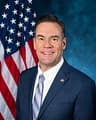 Russ Fulcher
Republican · Idaho
 Michelle Fischbach
Republican · Minnesota
 Brad Finstad
Republican · Minnesota
 Vince Fong
Republican · California
 Paul Gosar
Republican · Arizona
 Harriet Hageman
Republican · Wyoming
 Jeff Hurd
Republican · Colorado
 Mike Kennedy
Republican · Utah
 Blake Moore
Republican · Utah
 James Moylan
Republican · Guam
 Dan Newhouse
Republican · Washington
 Burgess Owens
Republican · Utah
 August Pfluger
Republican · Texas
 Pete Stauber
Republican · Minnesota
 David Valadao
Republican · California
 Rudy Yakym
Republican · Indiana