Bill · H.R. 6871· House(119-HR-6871)
Preventing the Recognition of Terrorist States Act of 2025
- Introduced
- 12/18/2025
- Last activity
- 12/18/2025 — Referred to the Committee on Foreign Affairs, and in addition to the Committees on Armed Services, and the Judiciary, for a period to be subsequently determined by the Speaker, in each case for consideration of such provisions as fall within the jurisdiction of the committee concerned.
- Sponsored by
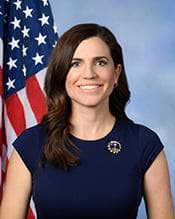
- Nancy Mace
- Cosponsors
- - 2 - 0
- Introduced
- In Committee
What this bill would do
This bill, titled the "Preventing the Recognition of Terrorist States Act of 2025," aims to prevent the official recognition of the Islamic Emirate of Afghanistan. It establishes a policy that the Taliban's takeover is an illegitimate coup d'etat. The Act prohibits federal departments and agencies from taking actions that imply recognition of the Taliban's sovereignty. Furthermore, it restricts specific federal funds from being used to implement policies that extend diplomatic recognition to the group. Finally, it directs the Secretary of State to designate the Islamic Emirate of Afghanistan as a State sponsor of terrorism and the Taliban as a foreign terrorist organization.
Yes· 3 of 4
Does this put more money into stopping terrorism?+1
The bill strengthens counter-terrorism policy by mandating the designation of the Taliban as a foreign terrorist organization.
Does this strengthen ties with allied countries?+1
By refusing to recognize the Taliban regime, the bill aligns U.S. foreign policy with many of its international allies.
Would immigrants be better off under this?+1
The designation of the Taliban as a foreign terrorist organization provides a legal basis for stricter immigration and asylum controls.
The opposite
Does this reduce what the federal government spends?-1
The bill restricts the obligation and expenditure of federal funds by the Department of State, USAID, and the Department of Defense for certain policy implementations.
Who it would affect, and how
Potential Positive Impacts for People
-
Prevention of Recognition: Under Section 3(a), no federal department or agency may take actions that state or imply recognition of the Taliban's claim of sovereignty, which aligns with the policy of viewing the takeover as an illegitimate coup d'etat (Section 2).
-
Financial Restrictions: Section 3(b) limits federal funds available to the Department of State, USAID, or the Department of Defense, preventing those funds from being used to prepare or implement policies that extend diplomatic recognition to the Islamic Emirate of Afghanistan.
-
Terrorism Designations: The bill mandates that the Secretary of State designate the Islamic Emirate of Afghanistan as a State sponsor of terrorism (Section 4) and the Taliban as a foreign terrorist organization (Section 5).
Potential Negative Impacts for People
- No specific negative impacts or burdens are explicitly listed within the provided text.
Groups and Interests Ranking
Every group the model scored this bill for, from -10 to +10. Hover a score for the reason it gave.
- National Security And Foreign Policy
- Improves International Alliances+1Increases Counter Terrorism Funding+1
- Demographic And Interest Groups
- Good For Immigrants+1
- Economy And Finance
- Reduces Government Spending-1
- Social Issues And Justice
- Improves Border Security+1
- 12/18/2025
- Referred to the Committee on Foreign Affairs, and in addition to the Committees on Armed Services, and the Judiciary, for a period to be subsequently determined by the Speaker, in each case for consideration of such provisions as fall within the jurisdiction of the committee concerned.
- 2 Cosponsors added.
- Introduced in House
 Tim Burchett
Republican · Tennessee
 Andrew Ogles
Republican · Tennessee