Bill · H.R. 6722· House(119-HR-6722)
Automatic IRA Act of 2025
- Introduced
- 12/15/2025
- Last activity
- 12/15/2025 — Referred to the House Committee on Ways and Means.
- Sponsored by
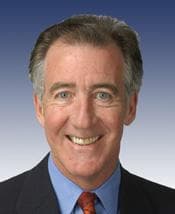
- Richard Neal
- Cosponsors
- - 4 - 0
- Introduced
- In Committee
What this bill would do
The Automatic IRA Act of 2025 aims to amend the Internal Revenue Code of 1986 to establish rules for automatic contribution retirement plans and arrangements. It defines specific requirements for these plans, including notice, eligibility, contribution, investment, and fee standards. The bill provides for automatic IRA arrangements where employees are treated as having elected to contribute a specific percentage of their compensation. To assist certain businesses, it includes a credit for small employers who implement these arrangements. Additionally, the act establishes an Automatic IRA Advisory Group to assist in the administration of these programs. Finally, it includes provisions regarding the treatment of these arrangements under various State laws.
Yes· 3 of 17
Does this cut taxes for small businesses?+6
Provides a $500 annual tax credit to eligible small employers who set up automatic IRA arrangements.
Would people in their twenties and thirties be better off under this?+5
Encourages early and automatic participation in retirement savings plans.
Would people in middle age be better off under this?+5
Helps middle-aged workers build additional retirement assets through automated payroll deductions.
The opposite
Would business owners be better off under this?-3
Mandates participation and can impose administrative burdens and potential penalties on compliant employers.
Does this leave more decisions to the states?-2
Supersedes certain State laws regarding automatic IRA and payroll deduction programs.
Who it would affect, and how
Potential Positive Impacts for People
-
Automatic Savings for Employees: The bill establishes "automatic contribution plan or arrangement" rules, which means employees are treated as having elected to have contributions made to their retirement accounts unless they make an affirmative election to opt out or change the amount (Section 2(a)(4)).
-
Access to Retirement for Non-Employees: The Secretary of the Treasury is tasked with providing regulations or guidance to make automatic IRAs available to individuals who provide services that do not constitute traditional employment (Section 2(a)(3)(E)).
-
Tax Credits for Small Businesses: Small employers who facilitate certain automatic IRA arrangements can receive a $500 credit for the first three calendar years of participation (Section 3(a)).
-
Standardized Information for Savers: The Secretary is required to establish a website that provides small employers and individuals with standardized, easy-to-compare information regarding fees, expenses, investment options, and returns (Section 2(a)(8)(G)(iii)).
-
Protection Against Excessive Fees: For plans not subject to the Employee Retirement Income Security Act of 1974, the law prohibits participants, beneficiaries, or employers from being charged unreasonable fees or expenses (Section 2(a)(6)).
Potential Negative Impacts for People
-
Financial Penalties for Employers: Employers who fail to maintain or facilitate an automatic contribution plan or arrangement may be subject to a tax of $10 for each day of noncompliance (Section 2(b)(1)).
-
Mandatory Contribution Percentages: Employees are treated as having elected to contribute a "qualified percentage" of their compensation, which starts at 6 percent and increases in subsequent years up to 15 percent (Section 2(a)(4)(C)).
-
Age and Service Restrictions: Certain employees, such as those under the age of 21 for some plans or those who have not completed specific service requirements, may be excluded from participating in these automatic arrangements (Section 2(a)(3)(B)).
Groups and Interests Ranking
Every group the model scored this bill for, from -10 to +10. Hover a score for the reason it gave.
- Demographic And Interest Groups
- Good For Low Income Households+5Good For Middle Aged+5Good For Middle Class Households+5Good For Young Adults+5Good For African Americans+3Good For Hispanic Americans+3Good For Retirees+3Good For Seniors+3Good For Women+3Good For Business Owners-3
- Economy And Finance
- Reduces Small Business Taxes+6Improves Consumer Protection+5Improves Small Business Support+4Improves Economic Growth+3Increases Job Creation+2
- Governance And Ideology
- Improves Government Transparency+4Increases Federal Power+3Increase States Rights-2
- Social Issues And Justice
- Improves Poverty Reduction+4
- 9/16/2026
- 1 Cosponsor added.
- 8/27/2026
- 1 Cosponsor added.
- 1/8/2026
- 2 Cosponsors added.
- 12/15/2025
- Referred to the House Committee on Ways and Means.
- Introduced in House
 Danny Davis
Democrat · Illinois
 John Mannion
Democrat · New York
 Linda Sánchez
Democrat · California
 Eugene Vindman
Democrat · Virginia