Bill · H.R. 6663· House(119-HR-6663)
Campus Free Speech Restoration Act
- Introduced
- 12/11/2025
- Last activity
- 12/11/2025 — Referred to the House Committee on Education and Workforce.
- Sponsored by
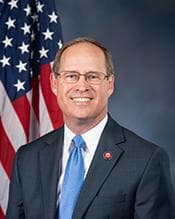
- Gregory Murphy
- Cosponsors
- None
- Introduced
- In Committee
What this bill would do
The Campus Free Speech Restoration Act seeks to amend the Higher Education Act of 1965. It aims to ensure public institutions of higher education do not use policies that restrict students' expressive rights. The bill also requires private institutions to be transparent about their speech policies. Public institutions are prohibited from enforcing certain restrictive zones, codes, or bias reporting systems. Additionally, the act establishes a process for federal review and potential loss of funding for non-compliant schools. Private institutions must follow specific disclosure requirements regarding their speech policies.
Yes· 3 of 8
Does this protect the individual right to speak freely?+9
This is the primary objective of the bill, significantly expanding speech protections.
Would students be better off under this?+8
Students gain significant protections for their expressive and association rights on campus.
Does this protect what people are allowed to say in public life?+8
The bill significantly strengthens First Amendment protections for students on public and private campuses.
The opposite
No question was scored the opposite.
Who it would affect, and how
Potential Positive Impacts for People
-
Protection of Expressive Rights: Public institutions of higher education are prohibited from limiting religious expression, free expression, or First Amendment rights (Section 2).
-
Access to Campus Speech: Public institutions may not prohibit lawful, noncommercial expressive activity in generally accessible areas of campus (Section 4(b)(1)).
-
Strict Standards for Restrictions: Any time, place, or manner restrictions at public institutions must meet specific criteria, such as being necessary to achieve a compelling governmental interest and being content-neutral (Section 4(b)(2)).
-
Path for Legal Redress: Individuals whose expressive activity rights are violated at public institutions can bring actions in Federal court to recover damages, court costs, or attorney fees (Section 4(c)(1)).
-
Transparency for Private Institutions: Private institutions are required to post all policies pertaining to the protection and regulation of expressive rights on their website within two clicks of the homepage (Section s 494B(a)(1)).
-
Protection Against Retaliation: The act prohibits people from being intimidated, threatened, coerced, or discriminated against for participating in investigations or making reports (Section 4(f)).
Potential Negative Impacts for People
-
Exclusion of Service Academies: The protections regarding expressive activity do not apply to institutions whose primary purpose is training individuals for military service or the merchant marine (Section 4(b)(4)).
-
Exclusion of Religious Institutions: The requirements for private institutions regarding speech policies do not apply to institutions controlled by a religious organization (Section 494B(e)).
-
Financial Risk for Institutions: Institutions that are found to be in violation of these speech requirements may lose eligibility to receive funds under the Higher Education Act (Section 4(e)(1) and Section 494B(2)).
Groups and Interests Ranking
Every group the model scored this bill for, from -10 to +10. Hover a score for the reason it gave.
- Governance And Ideology
- Improves Freedom Of Speech+9Increases Federal Power+5Improves Government Transparency+4Improves Due Process+3
- Demographic And Interest Groups
- Good For Students+8Good For Young Adults+5
- Social Issues And Justice
- Improves Freedom Of Speech+8Improves Religious Freedom+5
- 12/11/2025
- Referred to the House Committee on Education and Workforce.
- Introduced in House