Bill · H.R. 6606· House(119-HR-6606)
Opportunities for Success Act of 2025
- Introduced
- 12/11/2025
- Last activity
- 12/11/2025 — Referred to the House Committee on Education and Workforce.
- Sponsored by
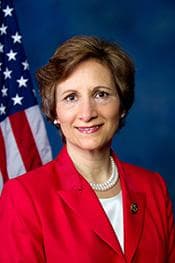
- Suzanne Bonamici
- Cosponsors
- - 2 - 0
- Introduced
- In Committee
What this bill would do
The Opportunities for Success Act of 2025 aims to amend the Higher Education Act of 1965 to reauthorize the Federal work-study program. This bill changes how funds are appropriated and allocated to institutions of higher education over several fiscal years. It introduces a new definition for "work-based learning" and establishes specific requirements for using work-study funds. Additionally, the bill creates a pilot grant program specifically for work-based learning opportunities. It also implements new requirements for institutions to provide notifications regarding SNAP eligibility and student surveys.
Yes· 3 of 8
Would people in their twenties and thirties be better off under this?+7
The bill enhances work-study opportunities through work-based learning, internships, and career coaching for students.
Would students be better off under this?+7
The bill provides increased funding for work-study, expands work-based learning, and includes protections like travel reimbursement.
Would households on low incomes be better off under this?+6
The bill increases funding for work-study and requires institutions to prioritize students with exceptional financial need.
The opposite
No question was scored the opposite.
Who it would affect, and how
Potential Positive Impacts for People
-
Increased Funding for Work-Study: The bill provides a schedule of increased appropriations starting at $1,500,000,000 for fiscal year 2027 and rising to $2,500,000,000 for fiscal year 2031 (Section 2).
-
Expanded Work-Based Learning: The bill adds "work-based learning" as a covered activity, which includes opportunities like internships, fellowships, and apprenticeships to give students first-hand engagement in their career fields (Section 2).
-
Support for Students in Nonenrollment: Students experiencing a "qualified period of nonenrollment" of up to 6 months can be awarded work-study employment (Section 4).
-
Enhanced Financial Assistance for Specific Groups: The bill directs institutions to prioritize employment for students who are currently homeless or foster care youth (Section 4).
-
Travel Reimbursement: The bill provides an assurance that compensation for work-study includes reimbursement for reasonable travel directly related to the program (Section 4).
-
SNAP Assistance: Institutions are required to notify eligible students of their potential eligibility for the Supplemental Nutritional Assistance Program (SNAP) (Section 4).
-
New Pilot Grant Program: A new pilot grant program is established to help institutions develop work-based learning positions that include career coaching and industry partnerships (Section 9).
Potential Negative Impacts for People
-
Funding Reductions for Certain Institutions: The bill includes a formula where institutions may face a "ratable reduction" if appropriated amounts are less than required, and it sets up a transition period where allocations may decrease toward a "fair share" amount (Section 3).
-
Eligibility Restrictions for Institutions: The Secretary may not allocate funds to institutions that fail to meet specific student population thresholds regarding Federal Pell Grant recipients or students with a zero student aid index (Section 3).
-
Strict Requirements for Pilot Grant Recipients: Institutions receiving pilot grants must follow specific rules, such as ensuring work positions are at least 12 weeks long and include at least 15 hours of work per week (Section 9).
-
Limitations on Funds for Nonenrollment: For students in a qualified period of nonenrollment, any funds earned in excess of $2,500 must be applied to their future cost of attendance (Section 4).
Groups and Interests Ranking
Every group the model scored this bill for, from -10 to +10. Hover a score for the reason it gave.
- Demographic And Interest Groups
- Good For Students+7Good For Young Adults+7Good For Low Income Households+6
- Economy And Finance
- Increases Job Creation+5Improves Economic Growth+3
- Education And Technology
- Improves College Affordability+6
- Social Issues And Justice
- Improves Poverty Reduction+4
- Governance And Ideology
- Improves Government Transparency+3
- 12/17/2025
- 1 Cosponsor added.
- 12/11/2025
- Referred to the House Committee on Education and Workforce.
- 1 Cosponsor added.
- Introduced in House
 Alma Adams
Democrat · North Carolina
 Angie Craig
Democrat · Minnesota