Bill · H.R. 6602· House(119-HR-6602)
Supporting Blue Envelope Programs Act
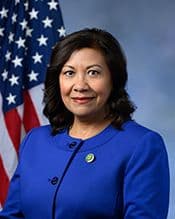
- Introduced
- 12/10/2025
- Last activity
- 12/10/2025 — Referred to the House Committee on the Judiciary.
- Sponsored by
- Norma Torres
- Cosponsors
- - 0 - 1
- Introduced
- In Committee
What this bill would do
This bill, titled the "Supporting Blue Envelope Programs Act," authorizes the Attorney General to provide grants to eligible entities to establish or support blue envelope programs. These programs are designed to help individuals with autism spectrum disorder or developmental, cognitive, sensory, or communication disabilities during law enforcement or first responder encounters. The funds are intended to provide items like blue envelopes for essential documents, car decals, and other communication aids. The Director of the Bureau of Justice Assistance will oversee the grant process and maintain a public directory of these programs. The act authorizes $5,000,000 for each fiscal year from 2027 through 2031.
Yes· 3 of 6
Would people with disabilities be better off under this?+9
The bill directly supports individuals with autism and other communication disabilities through the provision of specialized tools and officer training.
Does this expand the rights of people with disabilities?+8
The bill provides resources and training to improve communication and safety for individuals with autism and other developmental or cognitive disabilities during law enforcement encounters.
Does this change how police departments operate?+5
The bill funds training for law enforcement officers to better interact with and understand individuals with sensory or communication disabilities.
The opposite
No question was scored the opposite.
Who it would affect, and how
Potential Positive Impacts for People
-
Improved communication during encounters: The program provides items such as blue envelopes to store identification, diagnosis information, and communication preferences, as well as other items like car decals, seatbelt covers, lanyards, and pins to help overcome communication barriers during law enforcement or first responder interactions (Section 2(g)(2)).
-
Targeted support for specific needs: Grants are prioritized for entities that engage individuals with autism spectrum disorder or developmental, cognitive, sensory, or communication disabilities who may face communication barriers (Section 2(b)(4)(A)).
-
Community education and training: The program includes providing training and resources for law enforcement officers to improve interactions with individuals with disabilities, as well as education for community members on how to safely interact with these individuals (Section 2(g)(2)(A) and (E)(i)).
-
Broad access to resources: The Director is directed to make efforts to ensure a broad geographic distribution of awards, taking into account the needs of underserved populations, including rural and tribal communities (Section 2(c)).
-
Easy access to information: The Director will maintain a publicly accessible online directory so that members of the public can locate the nearest blue envelope program (Section 2(e)).
Potential Negative Impacts for People
- No specific negative impacts are explicitly detailed within the provided text of the bill.
Groups and Interests Ranking
Every group the model scored this bill for, from -10 to +10. Hover a score for the reason it gave.
- Demographic And Interest Groups
- Good For People With Disabilities+9Good For Native Americans+4Good For Rural Residents+4Good For Low Income Households+3
- Social Issues And Justice
- Improves Disability Rights+8Improves Policing Reform+5
- 12/10/2025
- Referred to the House Committee on the Judiciary.
- 1 Cosponsor added.
- Introduced in House
One bill Congress.gov lists as related to this one — companions in the other chamber, earlier versions, and bills this one absorbed or was folded into.
 John Rutherford
Republican · Florida