Bill · H.R. 6571· House(119-HR-6571)
REAL Act
- Introduced
- 12/10/2025
- Last activity
- 12/10/2025 — Referred to the House Committee on Oversight and Government Reform.
- Sponsored by
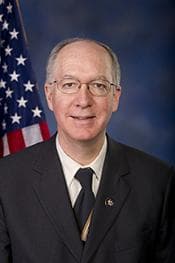
- Bill Foster
- Cosponsors
- - 0 - 1
- Introduced
- In Committee
What this bill would do
The "Responsible and Ethical AI Labeling Act" or "REAL Act" requires Federal officials to disclose when content they publish has been created or manipulated using generative artificial intelligence. These disclosures must be clear, conspicuous, and written in plain language, explaining how the content was generated or altered. The bill includes specific exceptions for classified content, minor visual adjustments, and routine text drafts reviewed by staff. To ensure compliance, the Director of the Office of Management and Budget will issue specific regulations and guidelines. Additionally, the President, Vice President, and agency heads must submit annual audits regarding compliance. The act also establishes penalties and corrective actions for officials and contractors who violate these rules.
Yes· 3 of 4
Does this make what the government does easier for the public to see?+8
The bill mandates clear disclosures and annual audits to inform the public when federal content is created or manipulated by AI.
Does this protect people from being watched or searched?+2
The bill increases transparency regarding how digital content is generated, which assists in understanding the origin of media consumed by the public.
Would people in cities be better off under this?+1
Increased transparency in federal communications benefits all citizens, including those in urban areas, by providing more reliable digital information.
The opposite
No question was scored the opposite.
Who it would affect, and how
Potential Positive Impacts for People
-
Transparency in Government Communications: Under Section 2(a)(1) and (2), Federal officials are prohibited from releasing content created or manipulated by generative artificial intelligence without a clear, conspicuous disclaimer. This ensures the public is informed that the content was generated or altered, along with a brief explanation of the technology or method used.
-
Accountability for Misinformation: Section 2(b)(3) requires that if a Federal official violates these disclosure rules, they must, to the greatest extent possible, retract the content and issue a communication explaining why the violation occurred. This provides a mechanism for correcting the record when rules are broken.
-
Strict Oversight and Reporting: Section 2(b)(2) mandates that the President, Vice President, and agency heads submit annual audits to Congress regarding compliance with these rules. These audits must be made available to the public via agency or White House websites, providing a layer of public scrutiny.
-
Enforcement through Corrective Actions: Section 2(c)(1) requires that if a violation is found, the official's agency must submit a corrective action plan to the Office of Management and Budget and Congress to ensure future compliance.
Potential Negative Impacts for People
-
Disciplinary Actions for Employees: Under Section 2(c)(2)(A), any Federal official who violates these disclosure requirements may be subject to disciplinary action, including those under chapter 75 of title 5, United States Code.
-
Risks to Federal Contractors: According to Section 2(c)(2)(B), Federal contractors found responsible for non-compliance could face various negative consequences, such as contract termination or restrictions on their public-facing communication.
Groups and Interests Ranking
Every group the model scored this bill for, from -10 to +10. Hover a score for the reason it gave.
- Governance And Ideology
- Improves Government Transparency+8Improves Privacy Rights+2
- Demographic And Interest Groups
- Good For Urban Residents+1
- Education And Technology
- Increases Big Tech Regulation+1
- 12/10/2025
- Referred to the House Committee on Oversight and Government Reform.
- 1 Cosponsor added.
- Introduced in House
 Pete Sessions
Republican · Texas