Bill · H.R. 6539· House(119-HR-6539)
STORM Act
- Introduced
- 12/9/2025
- Last activity
- 2/2/2026 — Referred to the Subcommittee on Economic Development, Public Buildings, and Emergency Management.
- Sponsored by
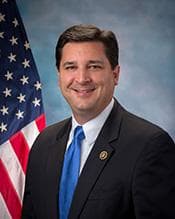
- David Rouzer
- Cosponsors
- None
- Introduced
- In Committee
What this bill would do
The STORM Act aims to allow the use of health care workforce platforms during declared emergencies. It permits the President to certify these private technology platforms and enter into voluntary agreements to use them for workforce surge capacity. The bill provides a framework for the President to coordinate with States to waive licensure requirements for out-of-state independent contractor health care workers. It also establishes liability protections for these workers and platforms during emergency responses. Additionally, the President is required to submit annual reports to Congress regarding the use of these licensure waivers.
Yes· 3 of 5
Does this improve help for people hit by a disaster?+6
The act amends the Stafford Act to enhance healthcare surge capacity during declared emergencies.
Does this make health care easier to get in general?+5
The bill enables rapid deployment of health care professionals to areas affected by emergencies via licensure waivers.
Would business owners be better off under this?+4
The bill provides liability protections for health care workforce platform entities.
The opposite
Would union members be better off under this?-2
The bill emphasizes the use of independent contractors rather than traditional employees.
Does this put more rules on large technology companies?-2
The bill creates a framework for the President to certify and enter into agreements with private technology platforms.
Who it would affect, and how
Potential Positive Impacts for People
-
Increased Workforce Capacity: The bill allows for the use of health care workforce platforms to facilitate "health care workforce surge capacity during an emergency" (Section 2(a)(2)(B)).
-
Easier Deployment of Professionals: The President may coordinate with States to facilitate a "waiver of licensure requirements" for out-of-state independent contractor health care workers (Section 2(c)(1)). This could help move qualified workers to areas affected by an emergency more quickly (Section 2(c)(2)(A)).
-
Liability Protections for Workers: Independent contractor health care workers are protected from liability for "any injury or damage sustained to a person or property" resulting from their authorized activities, provided they are not engaging in willful misconduct, gross negligence, or bad faith (Section 2(e)(1) and (2)).
-
Liability Protections for Platforms: Health care workforce platforms are also granted liability protections for their activities conducted under this Act (Section 2(e)(1)).
Potential Negative Impacts for People
-
Risk of Liability Exceptions: While there are protections, workers and platforms can still be held liable in cases of "willful misconduct, gross negligence, or bad faith" (Section 2(e)(2)).
-
Dependence on Presidential Determination: Liability protections and the use of these platforms are subject to the President determining that the "primary responsibility for the response... rests with the United States" (Section 2(e)(3) and (4)).
Groups and Interests Ranking
Every group the model scored this bill for, from -10 to +10. Hover a score for the reason it gave.
- Environment Energy And Infrastructure
- Improves Disaster Relief And F E M A+6
- Healthcare
- Improves Healthcare Access+5
- Economy And Finance
- Increases Job Creation+3
- Governance And Ideology
- Improves Government Transparency+3
- Demographic And Interest Groups
- Good For Business Owners+4Good For Union Workers-2
- Education And Technology
- Increases Big Tech Regulation-2
- 2/2/2026
- Referred to the Subcommittee on Economic Development, Public Buildings, and Emergency Management.
- 12/9/2025
- Referred to the House Committee on Transportation and Infrastructure.
- Introduced in House
One bill Congress.gov lists as related to this one — companions in the other chamber, earlier versions, and bills this one absorbed or was folded into.