Bill · H.R. 6510· House(119-HR-6510)
National Military Civilian Medical Surge Program Act of 2025
- Introduced
- 12/9/2025
- Last activity
- 12/9/2025 — Referred to the House Committee on Armed Services.
- Sponsored by
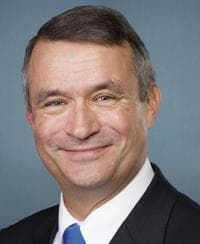
- Don Bacon
- Cosponsors
- - 1 - 0
- Introduced
- In Committee
What this bill would do
This bill requires the Secretary of Defense, working with the Secretary of Health and Human Services, to create the Military-Civilian Medical Surge Program. The program aims to improve how the National Disaster Medical System responds during emergencies, wars, or national crises. It directs the Secretary of Defense to set up partnerships with at least eight civilian health care organizations, hospitals, and academic medical centers. These partnerships will help mobilize civilian medical personnel to directly support military medical treatment facilities during specific emergencies. The bill also requires the Secretary of Defense to submit annual reports on the program's status and readiness to specific congressional committees.
Yes· 3 of 5
Does this make the country readier for the next outbreak?+6
The program specifically targets technical proficiency in high-consequence infectious disease and special pathogen preparedness.
Does this make health care easier to get in general?+5
The bill enhances the National Disaster Medical System's capacity to respond to public health emergencies and major disasters.
Does this put more money into medical research?+4
The bill mandates requirements for research and education related to patient regulation and medical movement within the surge program.
The opposite
No question was scored the opposite.
Who it would affect, and how
Potential Positive Impacts for People
-
Section 2: This section establishes the Military-Civilian Medical Surge Program to enhance the medical surge capability and capacity of the National Disaster Medical System during emergencies. This could benefit individuals by improving the overall medical response during major disasters, public health emergencies, or national emergencies.
-
Section 2: This section requires partnerships with public, private, and nonprofit health care organizations, academic medical centers, and hospitals that are critical in mobilizing a civilian medical response. This could positively impact people by utilizing expert civilian health care institutions to support wartime contingencies or catastrophic events in the United States.
Potential Negative Impacts for People
Based on the provided text, there are no explicitly stated negative impacts or burdens for individuals or groups of people in the United States.
Groups and Interests Ranking
Every group the model scored this bill for, from -10 to +10. Hover a score for the reason it gave.
- Healthcare
- Improves Pandemic Preparedness+6Improves Healthcare Access+5Increases Research Funding+4
- Demographic And Interest Groups
- Good For Veterans+3
- National Security And Foreign Policy
- Improves Veterans Benefits+3
- 2/4/2026
- 1 Cosponsor added.
- 12/9/2025
- Referred to the House Committee on Armed Services.
- Introduced in House
One bill Congress.gov lists as related to this one — companions in the other chamber, earlier versions, and bills this one absorbed or was folded into.
 James Moylan
Republican · Guam