Bill · H.R. 6474· House(119-HR-6474)
To amend the Internal Revenue Code of 1986 to expand the meaning and eligibility of energy communities for purposes of the increased renewable electricity production and increased clean electricity investment credit rates.
- Introduced
- 12/4/2025
- Last activity
- 12/4/2025 — Referred to the House Committee on Ways and Means.
- Sponsored by
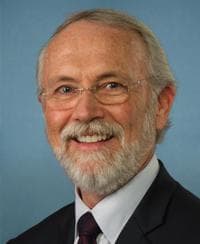
- Dan Newhouse
- Cosponsors
- - 3 - 0
- Introduced
- In Committee
What this bill would do
This bill seeks to amend the Internal Revenue Code of 1986. It aims to expand the definition and eligibility of energy communities. These changes specifically target the increased renewable electricity production and increased clean electricity investment credit rates. The legislation was introduced by Mr. Newhouse and others. It includes specific effective dates for the changes made to the code.
Yes· 3 of 7
Does this put more money into wind, solar and other renewable power?+5
The bill expands the definition of energy communities to include non-metropolitan areas, thereby incentivizing more renewable electricity production and investment.
Does this invest in rural communities?+4
The expansion of eligibility to non-metropolitan statistical areas provides economic incentives for development in rural and non-urban locations.
Would people in rural areas be better off under this?+4
By including non-metropolitan statistical areas, the bill directs more renewable energy investment toward rural and non-urban communities.
The opposite
No question was scored the opposite.
Who it would affect, and how
Potential Positive Impacts for People
-
Expansion of eligibility for electricity credits: By adding "non-metropolitan statistical area" to the definition in Section 45(b)(11)(B)(iv), more areas may qualify for increased renewable electricity production credit rates.
-
Adjustment to clean electricity investment credits: The amendment to Section 48E(a)(3)(A)(i) removes specific language, which changes how the increased clean electricity investment credit rate is applied.
Potential Negative Impacts for People
- No negative impacts are explicitly stated in the text: The provided document does not contain any information regarding potential negative consequences or burdens for individuals or groups.
Groups and Interests Ranking
Every group the model scored this bill for, from -10 to +10. Hover a score for the reason it gave.
- Environment Energy And Infrastructure
- Increases Renewable Energy Investment+5Improves Rural Development+4
- Demographic And Interest Groups
- Good For Rural Residents+4Good For Business Owners+3
- Economy And Finance
- Reduces Small Business Taxes+3Improves Economic Growth+2Increases Job Creation+2
- 1/12/2026
- 1 Cosponsor added.
- 12/4/2025
- Referred to the House Committee on Ways and Means.
- 2 Cosponsors added.
- Introduced in House
 Charles Fleischmann
Republican · Tennessee
 Pat Harrigan
Republican · North Carolina
 Claudia Tenney
Republican · New York