Bill · H.R. 6451· House(119-HR-6451)
VA Transit Act
- Introduced
- 12/4/2025
- Last activity
- 2/2/2026 — Referred to the Subcommittee on Highways and Transit.
- Sponsored by
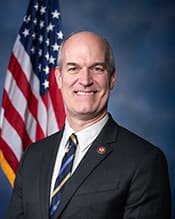
- Rick Larsen
- Cosponsors
- None
- Introduced
- In Committee
What this bill would do
This bill, known as the "Veterans Access to Transit Act," directs the Secretary of Transportation to create a pilot program for grants. These grants are intended to improve public transportation services specifically for veterans. The Secretary must work in consultation with the Secretary of Veterans Affairs to establish this program. The program aims to fund projects that help veterans access various facilities and organizations. Grant recipients are required to conduct outreach to veterans regarding these services. The pilot program is set to terminate five years after it begins.
Yes· 3 of 8
Would veterans be better off under this, taking everything together?+8
The bill creates a specific pilot program to increase veteran access to essential facilities and organizations via public transit.
Does this improve buses, trains and other public transport?+7
The bill directs the Secretary of Transportation to establish a grant program for public transportation service improvements.
Does this increase the pay, pensions or support veterans receive?+7
The bill establishes a pilot program to improve access to services for veterans through public transportation grants.
The opposite
No question was scored the opposite.
Who it would affect, and how
Potential Positive Impacts for People
-
Improved Access to Services: The bill provides grants to expand, modify, or establish public transportation services that help veterans reach facilities or organizations that serve them (Section 2(h)(3)(A)).
-
Geographic Equity: The Secretary is tasked with ensuring that grants are distributed across different geographic regions, specifically including rural and Tribal communities (Section 2(b)(2)).
-
Targeted Outreach: Grant recipients must publicize and conduct outreach specifically targeted to veterans so they are aware of the transportation services available (Section 2(d)).
-
Expanded Service Areas: The program is designed to help veterans reach Department of Veterans Affairs facilities or other organizations that serve a significant number of local veterans (Section 2(h)(4)).
Potential Negative Impacts for People
-
Limited Program Duration: The pilot program is scheduled to terminate five years after it commences, which establishes a fixed end date for the initiative (Section 2(e)).
-
Geographic Limitations for Urban Areas: While the bill mentions urbanized areas, the definition of an "eligible location" limits these urbanized areas to those with a population of fewer than 200,000 individuals (Section 2(h)(2)(B)).
Groups and Interests Ranking
Every group the model scored this bill for, from -10 to +10. Hover a score for the reason it gave.
- Demographic And Interest Groups
- Good For Veterans+8Good For Native Americans+5Good For Rural Residents+5Good For Low Income Households+3
- Environment Energy And Infrastructure
- Improves Public Transit+7Improves Rural Development+5
- National Security And Foreign Policy
- Improves Veterans Benefits+7
- Healthcare
- Improves Healthcare Access+6
- 2/2/2026
- Referred to the Subcommittee on Highways and Transit.
- 12/4/2025
- Referred to the House Committee on Transportation and Infrastructure.
- Introduced in House