Bill · H.R. 6418· House(119-HR-6418)
Employee Profit-Sharing Encouragement Act of 2025
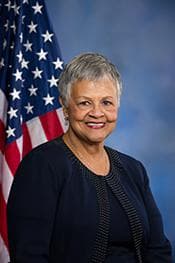
- Introduced
- 12/3/2025
- Last activity
- 12/3/2025 — Referred to the House Committee on Ways and Means.
- Sponsored by
- Bonnie Watson Coleman
- Cosponsors
- - 1 - 0
- Introduced
- In Committee
What this bill would do
This bill is known as the Employee Profit-Sharing Encouragement Act of 2025. It changes the Internal Revenue Code of 1986 to deny tax deductions for executive compensation. Employers cannot deduct executive pay unless they maintain profit-sharing distributions for their employees. To qualify, these cash distributions must be part of a written plan that includes employees who have been employed for at least one year. The total distributions must also equal at least 5 percent of the employer's net income for the taxable year. An exception applies if an employer proves that making distributions would jeopardize the business's ability to continue.
Yes· 3 of 11
Would households on low incomes be better off under this?+3
Directly provides cash profit-sharing distributions to employees, including long-term part-time workers.
Does this raise the taxes companies pay?+2
Denies tax deductions for executive compensation for certain employers unless profit-sharing distributions are maintained.
Does this raise taxes on the highest earners?+2
Limits tax deductions for high-compensation executives unless profit-sharing criteria are met.
The opposite· 3 of 5
Would high-income households be better off under this?-2
Limits tax deductions for executive compensation, potentially impacting high-earning individuals.
Would people with substantial wealth be better off under this?-2
Reduces tax deductibility for executive compensation packages.
Would the very wealthiest people be better off under this?-2
Targets high-level executives and wealthy corporate leaders by denying compensation deductions.
Who it would affect, and how
Potential Positive Impacts for People
-
Profit-Sharing for Employees: Under Section 2 (adding Section 162(s)(2)(A)), specified employers must make qualified cash profit-sharing distributions to employees, including part-time employees who have been employed for at least one year. This provides workers a direct financial share in the receipts, profits, revenues, or earnings of their employer.
-
Inclusion of Part-Time Workers: Section 2 (adding Section 162(s)(2)(A)(i)) explicitly includes part-time employees who have been employed for at least one year in the right to receive profit-sharing distributions. This broadens the group of working people who can benefit from the company's financial success.
-
Minimum Distribution Threshold: Section 2 (adding Section 162(s)(2)(B)) requires that aggregate distributions under the plan must be at least 5 percent of the employer's net income for the taxable year. This ensures that the profit-sharing payouts meeting the requirement represent a meaningful portion of the company's net earnings.
Potential Negative Impacts for People
- Potential Reduction in Other Compensation: Section 2 (adding Section 162(s)(7)) gives the Secretary authority to address abuses, specifically mentioning a reduction in employee compensation or benefits in conjunction with the payment of qualified profit-sharing distributions. This indicates that employers might cut other wages or benefits to fund these required profit-sharing payouts.
Groups and Interests Ranking
Every group the model scored this bill for, from -10 to +10. Hover a score for the reason it gave.
- Economy And Finance
- Increases Corporate Taxes+2Increases Wealthy Taxes+2Improves Economic Growth+1Improves Fiscal Responsibility+1
- Social Issues And Justice
- Improves Poverty Reduction+2
- Demographic And Interest Groups
- Good For Low Income Households+3Good For Middle Class Households+2Good For Students+2Good For Young Adults+2Good For Middle Aged+1Good For Billionaires-2Good For High Income Households-2Good For High Net Worth Individuals-2Good For Ultra High Net Worth Individuals-2Good For Business Owners-1
- Governance And Ideology
- Increases Federal Power+1
- 12/17/2025
- 1 Cosponsor added.
- 12/3/2025
- Referred to the House Committee on Ways and Means.
- Introduced in House
 Ilhan Omar
Democrat · Minnesota