Bill · H.R. 639· House(119-HR-639)
Doctor Knows Best Act of 2025
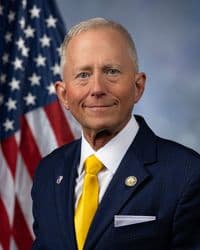
- Introduced
- 1/22/2025
- Last activity
- 1/22/2025 — Referred to the Committee on Energy and Commerce, and in addition to the Committee on Oversight and Government Reform, for a period to be subsequently determined by the Speaker, in each case for consideration of such provisions as fall within the jurisdiction of the committee concerned.
- Sponsored by
- Jefferson Van Drew
- Cosponsors
- None
- Introduced
- In Committee
What this bill would do
This bill, known as the "Doctor Knows Best Act of 2205," aims to stop various health entities from controlling medical decisions. It seeks to prohibit group health plans and health insurance issuers from using certain restrictions. It also targets Federal health care programs to prevent them from applying these same rules. Specifically, it bans prior authorization requirements, utilization management techniques, and medical necessity reviews. These prohibitions apply to any item or service for which benefits are available under the respective plans.
Yes· 3 of 30
Does this make health care easier to get in general?+7
The bill eliminates prior authorization and medical necessity reviews, making it easier for patients to receive covered medical services immediately.
Would people over 65 be better off under this?+6
The bill directly impacts federal health care programs which frequently serve the senior population by removing administrative hurdles.
Would veterans be better off under this, taking everything together?+6
The bill targets federal health programs to prevent the use of prior authorization, which directly benefits veterans' access to care.
The opposite
No question was scored the opposite.
Who it would affect, and how
Potential Positive Impacts for People
-
Elimination of Insurance Hurdles: Group health plans and health insurance issuers would be prohibited from imposing prior authorization requirements, utilization management techniques (such as step therapy or fail-first protocols), or medical necessity reviews for covered items or services (Section 2, subsection a).
-
Streamlined Federal Healthcare: Beginning January 1, 2026, Federal health care programs and associated entities would be prohibited from using prior authorization, utilization management techniques, or medical necessity reviews for available benefits (Section 2, subsection b).
Potential Negative Impacts for People
- No negative impacts or burdens are explicitly stated in the provided text.
Groups and Interests Ranking
Every group the model scored this bill for, from -10 to +10. Hover a score for the reason it gave.
- Demographic And Interest Groups
- Good For Retirees+6Good For Seniors+6Good For Veterans+6Good For Children+5Good For L G B T Q Community+5Good For Low Income Households+5Good For Middle Aged+5Good For Middle Class Households+5Good For Native Americans+5Good For People With Disabilities+5Good For Rural Residents+5Good For Union Workers+5Good For Women+5Good For Young Adults+5Good For African Americans+4Good For Asian Americans+4Good For Farmers+4Good For Hispanic Americans+4Good For Immigrants+4Good For Men+4Good For Students+4Good For Urban Residents+4Good For White Americans+4Good For Business Owners+3
- Healthcare
- Improves Healthcare Access+7Improves Abortion Access+5Improves Veterans Healthcare+5Increases Affordable Care Act Support+5Improves Mental Health Access+4
- Social Issues And Justice
- Improves Disability Rights+5
- 1/22/2025
- Referred to the Committee on Energy and Commerce, and in addition to the Committee on Oversight and Government Reform, for a period to be subsequently determined by the Speaker, in each case for consideration of such provisions as fall within the jurisdiction of the committee concerned.
- Introduced in House