Bill · H.R. 6377· House(119-HR-6377)
This act may be cited as the “Gold Star Siblings Educational Benefits Act
- Introduced
- 12/3/2025
- Last activity
- 1/5/2026 — Referred to the Subcommittee on Economic Opportunity.
- Sponsored by
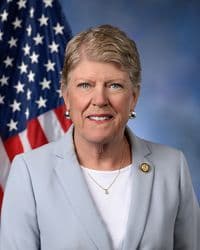
- Julia Brownley
- Cosponsors
- - 2 - 0
- Introduced
- In Committee
What this bill would do
This bill, known as the "Gold Star Siblings Educational Benefits Act," seeks to amend title 38 of the United States Code. It aims to expand educational assistance eligibility to include the siblings of certain veterans. Specifically, it adjusts the eligibility requirements for the Survivors' and Dependents' Educational Assistance program. The act also updates eligibility for the Marine Gunnery Sergeant John David Fry Scholarship to include siblings. Finally, it amends the Post-9/11 Educational Assistance Program to allow for the transfer of benefits to siblings under specific age conditions and circumstances.
Yes· 3 of 7
Would people in their twenties and thirties be better off under this?+5
The bill provides new educational assistance opportunities for siblings, particularly those in their early twenties.
Would students be better off under this?+5
The act creates new pathways for siblings to receive scholarship and educational assistance for their studies.
Does this make college cost less?+5
The bill increases access to educational assistance and scholarships for siblings of veterans, helping to offset the cost of higher education.
The opposite
No question was scored the opposite.
Who it would affect, and how
Potential Positive Impacts for People
-
Expanded Educational Assistance for Families: Siblings of certain veterans can now access educational assistance through the Survivors' and Dependents' Educational Assistance program, which was previously limited to spouses or children (Section 2).
-
Access to Specialized Scholarships: The bill expands the Marine Gunnery Sergeant John David Fry Scholarship to include siblings, providing more pathways for family members to receive educational support (Section 3).
-
Flexibility for Caregivers: Siblings who act as primary providers of personal care services for a veteran or member of the Armed Forces can receive specific provisions regarding when they begin and how long they can use transferred educational benefits (Section 4).
-
Broad Definition of Family: The bill defines "sibling" broadly to include brothers or sisters related by blood, adoption, or through a recognized guardianship or family relationship, ensuring more inclusive coverage (Sections 2 and 4).
Potential Negative Impacts for People
- Age Restrictions for Benefit Use: Under the Post-9/11 Educational Assistance Program, sibling transferees are subject to specific age limitations, such as the requirement to use benefits by the age of 26, unless they are primary caregivers (Section 4).
Groups and Interests Ranking
Every group the model scored this bill for, from -10 to +10. Hover a score for the reason it gave.
- Demographic And Interest Groups
- Good For Students+5Good For Young Adults+5Good For Veterans+4Good For Low Income Households+3
- Education And Technology
- Improves College Affordability+5
- National Security And Foreign Policy
- Improves Veterans Benefits+5
- Social Issues And Justice
- Improves Poverty Reduction+3
- 1/5/2026
- Referred to the Subcommittee on Economic Opportunity.
- 12/10/2025
- 1 Cosponsor added.
- 12/9/2025
- 1 Cosponsor added.
- 12/3/2025
- Referred to the House Committee on Veterans' Affairs.
- Introduced in House
 André Carson
Democrat · Indiana
 Sarah McBride
Democrat · Delaware