Bill · H.R. 6370· House(119-HR-6370)
Baby Changing in Health Centers Act
- Introduced
- 12/3/2025
- Last activity
- 12/3/2025 — Referred to the House Committee on Energy and Commerce.
- Sponsored by
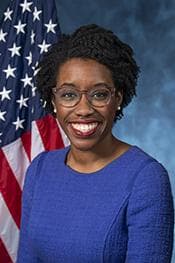
- Lauren Underwood
- Cosponsors
- - 0 - 1
- Introduced
- In Committee
What this bill would do
This bill, known as the "Baby Changing in Health Centers Act," aims to amend the Public Health Service Act. It would require certain health centers receiving grants to provide baby changing tables in their restrooms. These tables must be physically safe, sanitary, and appropriate. The law includes specific exceptions for restrooms that are not public, certain signage options, or cases where new construction is unfeasible. It also ensures compliance with the Americans with Disabilities Act. Finally, it provides for the use of grant funds and specific appropriations to help centers meet these requirements.
Yes· 3 of 5
Would children be better off under this?+4
The requirement for safe and sanitary baby changing tables directly benefits the care of infants and young children.
Would households on low incomes be better off under this?+3
The bill supports health centers that often serve low-income populations by providing funds for necessary amenities.
Would women be better off under this?+3
The provision of baby changing tables supports caregivers, who are statistically more likely to be women.
The opposite
Does this reduce what the federal government spends?-1
The bill authorizes $5,000,000 in new supplemental appropriations for health center compliance.
Who it would affect, and how
Potential Positive Impacts for People
-
Provision of Necessary Amenities: Health centers receiving grants will be required to ensure restrooms are equipped with baby changing tables that are safe and sanitary (Section 2(a)(1)). This can benefit individuals who need to change a child's diaper while at a health center.
-
Financial Support for Compliance: The bill authorizes up to $5,000,000 to help health centers cover the costs of acquiring and installing these tables and necessary signs (Section 2(a)(4) and Section 2(a)(8)). This ensures that the mandate is supported by available funding.
-
Accessibility and Flexibility: The requirement allows for reasonable accommodations in accordance with the Americans with Disabilities Act (Section 2(a)(3)). Additionally, the Secretary has the power to extend deadlines or waive requirements due to extenuating circumstances (Section 2(a)(5)).
Potential Negative Impacts for People
-
Potential Burden of Construction Costs: The bill notes that the requirement may not apply if new construction is required to install a table and the cost is unfeasible (Section 2(a)(2)(C)). This suggests that some facilities might face financial or structural hurdles.
-
Limited Scope for Certain Facilities: There are exceptions where a facility may not need to provide a table if the restroom is not available for public use or if specific signage is provided instead (Section 2(a)(2)(A) and (B)). This could mean that not all visitors have equal access to these amenities depending on the facility's setup.
Groups and Interests Ranking
Every group the model scored this bill for, from -10 to +10. Hover a score for the reason it gave.
- Demographic And Interest Groups
- Good For Children+4Good For Low Income Households+3Good For Women+3
- Healthcare
- Improves Healthcare Access+3
- Social Issues And Justice
- Improves Disability Rights+2
- Economy And Finance
- Reduces Government Spending-1
- 12/3/2025
- Referred to the House Committee on Energy and Commerce.
- 1 Cosponsor added.
- Introduced in House
 Jefferson Van Drew
Republican · New Jersey