Bill · H.R. 6350· House(119-HR-6350)
College Athletics Reform Act
- Introduced
- 12/2/2025
- Last activity
- 12/2/2025 — Referred to the Committee on Energy and Commerce, and in addition to the Committees on the Judiciary, and Education and Workforce, for a period to be subsequently determined by the Speaker, in each case for consideration of such provisions as fall within the jurisdiction of the committee concerned.
- Sponsored by
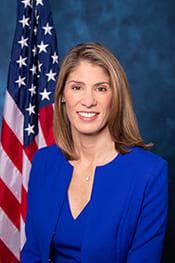
- Lori Trahan
- Cosponsors
- - 25 - 0
- Introduced
- In Committee
What this bill would do
This legislation, known as the College Athletics Reform Act, protects the name, image, and likeness (NIL) rights of college athletes across the country. It stops athletic associations, conferences, and schools from restricting athletes from making money off their NIL or getting professional representation. The bill gives athletes the right to privacy regarding their NIL contracts and sets basic transparency rules for any contract worth more than $600. It also updates rules for sports agents, expands reporting requirements for college sports programs, and creates a special commission to study college sports governance. Finally, the bill ensures that international college athletes can participate in NIL activities without losing their visa status.
Yes· 3 of 12
Would people in their twenties and thirties be better off under this?+8
Would students be better off under this?+8
Does this make what the government does easier for the public to see?+6
The opposite
No question was scored the opposite.
Who it would affect, and how
Potential Positive Impacts for People
-
Protection of NIL Compensation Rights: Section 3(a) ensures that college athletes cannot be restricted from receiving payment for their name, image, or likeness, and protects them from adverse actions by schools or athletic associations for taking such compensation. This benefits student athletes by allowing them to fairly benefit from their personal brand and hard work.
-
Right to Professional Representation: Section 3(b) stops schools and athletic associations from blocking athletes from hiring agents, financial advisors, or attorneys. This helps protect student athletes from being taken advantage of in business deals.
-
Contract Transparency and Protections: Section 3(d) ensures that NIL agreements over $600 must be in writing and contain clear terms, such as compensation amounts and termination rules. This gives athletes the power to void contracts that do not meet these standards or agreements that continue after they are no longer enrolled at an institution.
-
Protection for International Student Athletes: Section 3(e) updates immigration laws so that international college athletes can participate in NIL activities without violating their visa status or being considered inadmissible to the United States. This ensures fairness and equal opportunity for athletes from other countries.
-
Fairness for Sports Agent Fees: Section 4(a) updates the Sports Agent Responsibility and Trust Act to cap agent fees for endorsement contracts at 4 percent of the compensation provided to the student athlete. This protects student athletes from being gouged by excessive agent fees.
-
Detailed Public Financial Disclosures: Section 7 requires colleges to publicly report detailed financial information regarding athletic scholarships, direct revenue sharing with athletes, coach compensation, and revenues and expenses disaggregated by men's and women's sports. This creates greater accountability and transparency for the public and taxpayers regarding how college athletic funds are spent.
Potential Negative Impacts for People
- Potential Burdens on Educational Institutions: Section 7 significantly expands the data collection and reporting requirements for colleges and universities regarding athletic programs, scholarships, and Title IX compliance. Schools may face increased administrative burdens and costs to compile and publish this detailed information annually by the required deadlines.
Groups and Interests Ranking
Every group the model scored this bill for, from -10 to +10. Hover a score for the reason it gave.
- Demographic And Interest Groups
- Good For Students+8Good For Young Adults+8Good For Immigrants+4Good For Women+4Good For African Americans+3
- Governance And Ideology
- Improves Government Transparency+6Improves Privacy Rights+5Increases Federal Power+4
- Social Issues And Justice
- Improves Gender Equality+4Improves Racial Equity+3
- Economy And Finance
- Improves Consumer Protection+5
- Education And Technology
- Improves Data Privacy+4
- 6/30/2026
- 1 Cosponsor added.
- 12/10/2025
- 2 Cosponsors added.
- 12/3/2025
- 6 Cosponsors added.
- 12/2/2025
- Referred to the Committee on Energy and Commerce, and in addition to the Committees on the Judiciary, and Education and Workforce, for a period to be subsequently determined by the Speaker, in each case for consideration of such provisions as fall within the jurisdiction of the committee concerned.
- 16 Cosponsors added.
- Introduced in House
 Janelle Bynum
Democrat · Oregon
 Jim Costa
Democrat · California
 Joe Courtney
Democrat · Connecticut
 Troy Carter
Democrat · Louisiana
 Suzan DelBene
Democrat · Washington
 Lois Frankel
Democrat · Florida
 Lizzie Fletcher
Democrat · Texas
 Julie Johnson
Democrat · Texas
 Teresa Leger Fernandez
Democrat · New Mexico
 Susie Lee
Democrat · Nevada
 James McGovern
Democrat · Massachusetts
 Betty McCollum
Democrat · Minnesota
 Seth Magaziner
Democrat · Rhode Island
 Kevin Mullin
Democrat · California
 Jennifer McClellan
Democrat · Virginia
 Chellie Pingree
Democrat · Maine
 Deborah Ross
Democrat · North Carolina
 Raul Ruiz
Democrat · California
 Mary Gay Scanlon
Democrat · Pennsylvania
 Greg Stanton
Democrat · Arizona
 Hillary Scholten
Democrat · Michigan
 Emilia Sykes
Democrat · Ohio
 Paul Tonko
Democrat · New York
 Jill Tokuda
Democrat · Hawaii
 Derek Tran
Democrat · California