Bill · H.R. 6257· House(119-HR-6257)
SMK Act of 2025
- Introduced
- 11/21/2025
- Last activity
- 12/11/2025 — Forwarded by Subcommittee to Full Committee by Voice Vote.
- Sponsored by
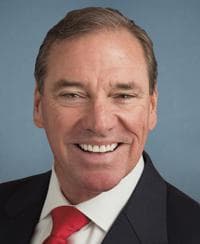
- Neal Dunn
- Cosponsors
- - 0 - 1
- Introduced
- In Committee
What this bill would do
This bill is known as the Safe Messaging for Kids Act of 2025, or the SMK Act of 2025. It aims to protect minors under 17 from harms linked to disappearing messages and unwanted direct contact on social media. The legislation bans social media platforms from offering disappearing messaging features to minors. It also forces platforms to give parents tools to manage direct messaging for their minor children. Additionally, the bill sets default rules, including turning off direct messaging entirely for users under 13 unless a parent gives permission. Finally, it gives enforcement power to the Federal Trade Commission and state attorneys general.
Yes· 3 of 5
Does this put more rules on large technology companies?+8
The bill imposes direct regulatory requirements on social media platforms regarding minor user accounts and direct messaging features.
Would children be better off under this?+7
The bill protects minors under 17 from unsolicited direct contacts and harms linked to disappearing messages on social media.
Does this give people more control over their personal data?+6
The legislation enhances protections for minors by restricting certain messaging features and giving parents control over communications.
The opposite
No question was scored the opposite.
Who it would affect, and how
Potential Positive Impacts for People
-
Ban on Disappearing Messages for Minors: Section 3 stops social media companies from offering disappearing messaging features to minors, which helps parents monitor communications and protects kids from hidden interactions.
-
Parental Controls for Direct Messaging: Section 4 requires social media platforms to provide easy-to-use controls that let parents approve or deny messaging requests from unapproved contacts, view approved contacts, and disable direct messaging features entirely.
-
Automatic Protections for Young Children: Section 4(d) mandates that direct messaging features must be turned off by default for any minor user under the age of 13, adding a strong layer of safety for pre-teens.
-
App Store Warnings: Section 5 requires app stores to provide clear warnings to parents when a minor tries to download or purchase a social media app with direct messaging features, given the parent has set up that requirement.
Potential Negative Impacts for People
-
Loss of Messaging Privacy and Features for Minors: Section 3 and Section 4 restrict how minors can communicate by banning disappearing messages and placing their direct messaging features under parental lock and key, which may limit their personal privacy and communication freedom.
-
Burdensome Parental Management Requirements: Section 4 forces parents to actively manage, monitor, and provide verifiable consent for basic messaging activities if they want their children to communicate on social media platforms, placing extra administrative tasks on working families.
Groups and Interests Ranking
Every group the model scored this bill for, from -10 to +10. Hover a score for the reason it gave.
- Education And Technology
- Increases Big Tech Regulation+8Improves Data Privacy+6
- Demographic And Interest Groups
- Good For Children+7
- Economy And Finance
- Improves Consumer Protection+5
- Governance And Ideology
- Increases Federal Power+4
- 1/14/2026
- 1 Cosponsor added.
- 12/11/2025
- Subcommittee Consideration and Mark-up Session Held
- Forwarded by Subcommittee to Full Committee by Voice Vote.
- 11/21/2025
- Referred to the House Committee on Energy and Commerce.
- Referred to the Subcommittee on Commerce, Manufacturing, and Trade.
- Introduced in House
 Donald Davis
Democrat · North Carolina