Bill · H.R. 6183· House(119-HR-6183)
To amend the Internal Revenue Code of 1986 to reform certain rules related to health savings accounts.
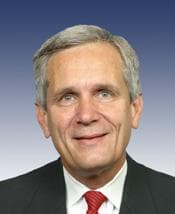
- Introduced
- 11/20/2025
- Last activity
- 11/20/2025 — Referred to the House Committee on Ways and Means.
- Sponsored by
- Lloyd Doggett
- Cosponsors
- - 1 - 0
- Introduced
- In Committee
What this bill would do
This bill proposes several changes to the rules regarding health savings accounts (HSAs). It seeks to implement income limits on deductible contributions and changes how certain payments are treated for payroll taxes. The legislation also introduces a two-year limit on reimbursing qualified medical expenses and requires stricter substantiation for those expenses. Additionally, it excludes certain items like spa treatments and some exercise equipment from being considered medical care. Finally, it imposes an excise tax on trustees who charge excessive fees for health savings accounts.
Yes
Does this raise taxes on the highest earners?+5
The bill implements income limits that reduce the deductibility of HSA contributions for high earners.
Does this make what the government does easier for the public to see?+4
The bill requires HSA statements to include average yields on cash balances compared to national savings averages.
The opposite· 3 of 4
Would high-income households be better off under this?-4
High-income households face reduced tax deductions for HSA contributions due to the new income thresholds.
Does this make health care easier to get in general?-3
The bill adds stricter substantiation and in-person requirements for medical assessments used for HSA reimbursements.
Would middle-income households be better off under this?-2
The bill imposes new time limits on reimbursements and stricter substantiation requirements for medical expenses.
Who it would affect, and how
Potential Positive Impacts for People
-
Reduction of Excessive Fees: The bill imposes an excise tax on trustees who charge fees that exceed a "reasonable amount" determined by the Secretary, which may help lower the costs of maintaining an account. (Section 7)
-
Increased Transparency on Earnings: New reporting requirements will require statements to include the average yield on cash balances in an HSA alongside the national average yield on savings accounts. (Section 8)
Potential Negative Impacts for People
-
Income Limits on Deductions: The bill adds a limitation on deductible contributions based on a taxpayer's modified adjusted gross income, which could reduce tax benefits for higher earners. (Section 3)
-
Reimbursement Time Limits: An amount used to reimburse a qualified medical expense must be distributed within two years of the date the expense was paid, or it will not be treated as used for a qualified expense. (Section 4)
-
Stricter Substantiation Requirements: HSA distributions must now be substantiated as qualified medical expenses, and certain assessments may require an in-person provider-patient relationship. (Section 5)
-
Exclusion of Certain Expenses: Certain costs, such as spa and beauty treatments or exercise equipment exceeding $500 in a taxable year, will no longer be treated as medical care. (Section 6)
Groups and Interests Ranking
Every group the model scored this bill for, from -10 to +10. Hover a score for the reason it gave.
- Demographic And Interest Groups
- Good For High Income Households-4Good For Business Owners-2Good For Middle Class Households-2
- Economy And Finance
- Increases Wealthy Taxes+5
- Governance And Ideology
- Improves Government Transparency+4
- Healthcare
- Improves Healthcare Access-3
- 12/9/2025
- 1 Cosponsor added.
- 11/20/2025
- Referred to the House Committee on Ways and Means.
- Introduced in House
 Pramila Jayapal
Democrat · Washington