Bill · H.R. 6106· House(119-HR-6106)
CLEAR Path Act
- Introduced
- 11/18/2025
- Last activity
- 11/18/2025 — Referred to the Committee on Foreign Affairs, and in addition to the Committees on the Judiciary, and Rules, for a period to be subsequently determined by the Speaker, in each case for consideration of such provisions as fall within the jurisdiction of the committee concerned.
- Sponsored by
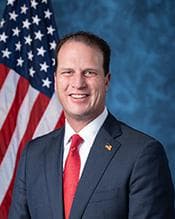
- August Pfluger
- Cosponsors
- - 1 - 1
- Introduced
- In Committee
What this bill would do
The CLEAR Path Act aims to amend title 18 of the United States Code to mitigate potential conflicts of interest after government service. It establishes extended post-employment restrictions for officials in positions that require Senate confirmation. These restrictions specifically target individuals who might represent, aid, or advise a foreign governmental entity of a country of concern to influence U.S. government decisions. The bill includes a mechanism for the Secretary of State and the Attorney General to propose changes to the list of "countries of concern." These restrictions are set to expire five years after the date of the Act's enactment.
Yes
Does this make what the government does easier for the public to see?+5
The bill requires agencies to provide formal notice of post-employment restrictions to officials both at appointment and termination.
The opposite
No question was scored the opposite.
Who it would affect, and how
Potential Positive Impacts for People
-
Prevention of Conflicts of Interest: The bill seeks to prevent and mitigate potential conflicts of interest that occur when senior U.S. officials work on behalf of foreign governments after leaving their government roles (Section 2).
-
Increased Transparency for Officials: Individuals subject to these restrictions will receive formal notice of these requirements both upon their appointment by the President and upon the termination of their service (Section 3(a)(3)).
-
Protection of Official Duties: The restrictions target those who intend to influence decisions made by officers or employees of the executive or legislative branches while acting for a foreign governmental entity of a country of concern (Section 3(a)(2)).
Potential Negative Impacts for People
-
Restrictions on Post-Government Employment: Individuals serving in Senate-confirmed positions will be prohibited from knowingly representing, aiding, or advising a foreign governmental entity of a country of concern before U.S. government officials with the intent to influence decisions (Section 3(a)(2)).
-
Limitations on Legal Representation: While the bill excludes certain legal advice, it defines "represent" in a way that excludes attorneys licensed in a U.S. jurisdiction providing legal advice in a legal capacity (Section 3(a)(1)(C)).
Groups and Interests Ranking
Every group the model scored this bill for, from -10 to +10. Hover a score for the reason it gave.
- Governance And Ideology
- Improves Government Transparency+5
- 9/2/2026
- 1 Cosponsor added.
- 11/18/2025
- Referred to the Committee on Foreign Affairs, and in addition to the Committees on the Judiciary, and Rules, for a period to be subsequently determined by the Speaker, in each case for consideration of such provisions as fall within the jurisdiction of the committee concerned.
- 1 Cosponsor added.
- Introduced in House
One bill Congress.gov lists as related to this one — companions in the other chamber, earlier versions, and bills this one absorbed or was folded into.
 Jason Crow
Democrat · Colorado
 Pat Harrigan
Republican · North Carolina