Bill · H.R. 6060· House(119-HR-6060)
SAFE Taps Act
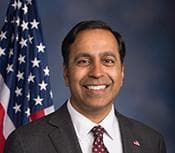
- Introduced
- 11/17/2025
- Last activity
- 11/17/2025 — Referred to the House Committee on Energy and Commerce.
- Sponsored by
- Raja Krishnamoorthi
- Cosponsors
- None
- Introduced
- In Committee
What this bill would do
This bill is known as the Safe and Fair Elimination of Taps with Lead Service Lines Act or the SAFE Taps Act. It directs the Administrator of the Environmental Protection Agency to set up a program that provides grants to local governments, drinking water systems, and federally recognized Indian Tribes. These grants will pay for replacing lead, galvanized steel, and iron service lines, as well as lead drinking water mains. The text notes that lead in drinking water threatens public health because there is no safe level of exposure. Existing loan programs are often inadequate for financially distressed communities, making a dedicated grant program necessary.
Yes· 3 of 18
Does this better protect air, water and wildlife?+8
The bill provides dedicated grant funding to eliminate lead contamination in drinking water systems.
Would children be better off under this?+7
Removing lead from drinking water protects children from irreversible neurological damage.
Would households on low incomes be better off under this?+6
Grants assist financially distressed communities that lack the debt capacity for infrastructure loans.
The opposite
Does this reduce what the federal government spends?-4
The bill creates a new federal grant program requiring appropriations and spending.
Who it would affect, and how
Potential Positive Impacts for People
-
Funding for Line and Main Replacements: Under Section 3(a) and Section 4(2), the bill establishes a grant program to pay for replacing lead service lines, certain galvanized steel or iron service lines, and drinking water mains that are not lead free. This helps individuals by removing dangerous materials from their drinking water systems.
-
Help with Planning and Inventories: According to Section 4(2), eligible project costs include planning or designing replacements and developing or updating inventories of lead service lines. This allows communities to properly prepare and locate the hazards before fixing them.
-
Fair Wages for Workers: Section 3(b) requires that all laborers and mechanics working on construction, alteration, or repair funded by these grants must be paid prevailing local wages determined by the Secretary of Labor under the Davis-Bacon Act. This ensures fair pay for the workers doing the physical replacement jobs.
Potential Negative Impacts for People
- No Negative Impacts Identified: Based strictly on the text provided, there are no specific sections or provisions that outline negative consequences or burdens for individuals or groups of people in the United States.
Groups and Interests Ranking
Every group the model scored this bill for, from -10 to +10. Hover a score for the reason it gave.
- Demographic And Interest Groups
- Good For Children+7Good For Low Income Households+6Good For Union Workers+5Good For Native Americans+4Good For Rural Residents+4Good For Students+4Good For Urban Residents+4Good For African Americans+3Good For Hispanic Americans+3
- Economy And Finance
- Improves Consumer Protection+6Increases Job Creation+5Improves Union Protections+4Improves Economic Growth+3Reduces Government Spending-4
- Environment Energy And Infrastructure
- Improves Environmental Protections+8Improves Rural Development+5
- Governance And Ideology
- Improves Government Transparency+3Increases Federal Power+3
- Social Issues And Justice
- Improves Racial Equity+4
- 11/17/2025
- Referred to the House Committee on Energy and Commerce.
- Introduced in House