Bill · H.R. 5995· House(119-HR-5995)
Have You Served Act
- Introduced
- 11/10/2025
- Last activity
- 12/9/2025 — Referred to the Subcommittee on Health.
- Sponsored by
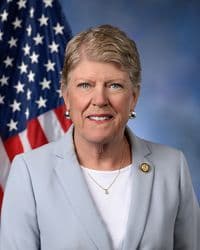
- Julia Brownley
- Cosponsors
- - 5 - 0
- Introduced
- In Committee
What this bill would do
The "Have You Served Act" directs the Secretary of Veterans Affairs to provide grants to States and American Indian or Alaska Native tribes. These grants fund "Ask the Question Campaigns" to train human services professionals, local governments, and community providers to ask consumers if they or a loved one served in the Armed Forces. The goal is to refer veterans to available resources through the Department of Veterans Affairs and other providers. The bill also requires the Secretary to coordinate similar campaigns across Federal agencies.
Yes· 3 of 15
Would veterans be better off under this, taking everything together?+9
The primary target group, gaining better access to healthcare, suicide prevention, and benefits.
Does this help veterans get medical care?+8
Increases the identification of veterans in need of care and refers them to VA health services.
Does this increase the pay, pensions or support veterans receive?+7
Facilitates veterans' access to the benefits they are entitled to through improved referral systems.
The opposite
No question was scored the opposite.
Who it would affect, and how
Potential Positive Impacts for People
-
Increased Access to Resources: By training professionals to ask about military service and providing information on available resources, veterans and their loved ones may be more likely to be referred to the Department of Veterans Affairs and other service providers (Section 2(b)(1)(B)).
-
Veteran Suicide Prevention: Grants are available to entities that develop veteran suicide prevention plans, such as "Governors Challenge Action Plans" for States or similar plans for tribes (Section 2(c)).
-
Technical Support for Communities: The Secretary provides eligible entities with best practices, veterans resource information, and screening protocols for suicide risk and social determinants of health (Section 2(d)).
Potential Negative Impacts for People
-
Limited Grant Availability: The Secretary may only make up to 25 grants per fiscal year from 2026 through 2030, which may limit the number of entities and people who can benefit from the program (Section 2(e)).
-
Funding Caps: Individual grants are capped at an amount not exceeding $200,000, which may limit the scale of the campaigns (Section 2(e)).
Groups and Interests Ranking
Every group the model scored this bill for, from -10 to +10. Hover a score for the reason it gave.
- Demographic And Interest Groups
- Good For Veterans+9Good For Native Americans+6Good For Low Income Households+5Good For Rural Residents+5Good For People With Disabilities+4Good For Retirees+4Good For Seniors+4Good For Middle Class Households+2
- Healthcare
- Improves Veterans Healthcare+8Improves Mental Health Access+6Improves Healthcare Access+5
- National Security And Foreign Policy
- Improves Veterans Benefits+7
- Social Issues And Justice
- Reduces Homelessness+4Improves Poverty Reduction+3
- Governance And Ideology
- Increases Federal Power+2
- 12/9/2025
- Referred to the Subcommittee on Health.
- 1 Cosponsor added.
- 11/17/2025
- 1 Cosponsor added.
- 11/12/2025
- 2 Cosponsors added.
- 11/10/2025
- Referred to the House Committee on Veterans' Affairs.
- 1 Cosponsor added.
- Introduced in House
 André Carson
Democrat · Indiana
 Stephen Lynch
Democrat · Massachusetts
 Terri Sewell
Democrat · Alabama
 Rashida Tlaib
Democrat · Michigan
 Shri Thanedar
Democrat · Michigan