Bill · H.R. 5963· House(119-HR-5963)
Responsible Wildland Fire Recovery Act
- Introduced
- 11/7/2025
- Last activity
- 12/2/2025 — Referred to the Subcommittee on Forestry and Horticulture.
- Sponsored by
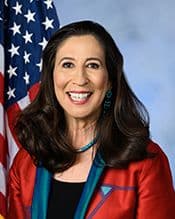
- Teresa Leger Fernandez
- Cosponsors
- None
- Introduced
- In Committee
What this bill would do
This bill, known as the "Responsible Wildland Fire Recovery Act," aims to provide cost-share waivers for projects following specific wildland fires. It focuses on fires that the Secretary of Agriculture determines resulted from management activities on National Forest System land. The legislation allows for the waiver of matching fund requirements for recovery projects. This includes remediating direct and indirect damages through authorized Federal recovery programs. The goal is to ensure affected parties can receive sought-after funding.
Yes· 3 of 5
Does this better protect air, water and wildlife?+5
The bill facilitates the remediation of direct and indirect damages, such as watershed impairment, caused by wildland fires.
Would people in rural areas be better off under this?+4
The bill provides much-needed financial support for recovery and remediation in areas affected by fires on National Forest System land.
Does this invest in rural communities?+3
The bill assists rural areas and localities in recovering from environmental damage caused by management activities on National Forest System land.
The opposite
Does this reduce what the federal government spends?-2
The bill may increase government spending by allowing the Secretary to waive matching fund requirements for recovery projects.
Who it would affect, and how
Potential Positive Impacts for People
-
Full Funding for Recovery: Affected parties, including States, Indian Tribes, localities, or individuals, may be eligible to receive 100 percent funding for the cost of remediating damages (Section 2).
-
Relief from Financial Burdens: The Secretary of Agriculture may waive "covered matching requirements," which are requirements for these parties to provide matching funds in cash for a project (Section 3(a)(1) and Section 3(b)).
-
Broad Definition of Damage: The waiver can apply to fires that cause direct or indirect damage resulting in watershed impairment (Section 3(a)(4)(B)).
Potential Negative Impacts for People
- No specific negative impacts are explicitly detailed within the provided text.
Groups and Interests Ranking
Every group the model scored this bill for, from -10 to +10. Hover a score for the reason it gave.
- Environment Energy And Infrastructure
- Improves Environmental Protections+5Improves Rural Development+3
- Demographic And Interest Groups
- Good For Rural Residents+4Good For Low Income Households+2
- Economy And Finance
- Reduces Government Spending-2
- Social Issues And Justice
- Improves Poverty Reduction+2
- 12/2/2025
- Referred to the Subcommittee on Forestry and Horticulture.
- 11/7/2025
- Referred to the Committee on Agriculture, and in addition to the Committee on Natural Resources, for a period to be subsequently determined by the Speaker, in each case for consideration of such provisions as fall within the jurisdiction of the committee concerned.
- Introduced in House
2 bills Congress.gov lists as related to this one — companions in the other chamber, earlier versions, and bills this one absorbed or was folded into.