Bill · H.R. 5943· House(119-HR-5943)
THRIVE Act of 2025
- Introduced
- 11/7/2025
- Last activity
- 11/17/2025 — Referred to the Subcommittee on Health.
- Sponsored by
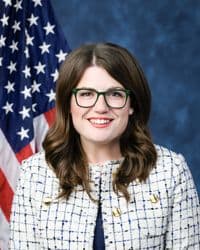
- Sarah Elfreth
- Cosponsors
- - 0 - 1
- Introduced
- In Committee
What this bill would do
The THRIVE Act of 2025 requires the Secretary of Veterans Affairs to create a Task Force on Complementary and Integrative Health/Whole Health. This group will include VA officials, academic researchers, clinicians, and representatives from veterans service and community organizations. The task force is charged with assessing veteran access to integrative therapies and developing a framework to determine the effectiveness of treatments like acupuncture, yoga, and peer-supported programs. They will specifically look at treatments for depression, anxiety, PTSD, traumatic brain injury, and suicide prevention. After one year, the task force will provide recommendations to the Secretary. The Secretary must then report these recommendations and a subsequent implementation plan to Congress.
Yes· 3 of 18
Would veterans be better off under this, taking everything together?+10
The entire bill is dedicated to improving health outcomes and therapy access for veterans.
Does this help veterans get medical care?+8
It specifically directs the VA to improve access and effectiveness of complementary and integrative health therapies for veterans.
Does this increase the pay, pensions or support veterans receive?+8
The bill expands the types of healthcare services and therapies available as a benefit to veterans.
The opposite
No question was scored the opposite.
Who it would affect, and how
Potential Positive Impacts for People
-
Increased Access to Therapies: The bill directs the task force to assess current access to integrative health therapies and find ways to make them more accessible to veterans at VA facilities (Section 2(c)(1)).
-
Evaluation of Treatment Effectiveness: The act creates a framework to determine if therapies such as massage therapy, meditation, tai chi, qigong, acupuncture, and others are effective for treating mental health conditions and preventing suicide (Section 2(c)(2)(A)).
-
Improved Care Integration: It seeks to determine how to bring emerging therapies, including health and wellness coaching and peer-led models, into the VA continuum of care (Section 2(c)(4)).
-
Better Patient Retention: The bill requires an analysis of factors that lead to treatment dropout or relapse to help the Department improve outcomes for veterans (Section 2(c)(5)).
Potential Negative Impacts for People
- No negative impacts for individuals or groups are explicitly mentioned in the provided text.
Groups and Interests Ranking
Every group the model scored this bill for, from -10 to +10. Hover a score for the reason it gave.
- Demographic And Interest Groups
- Good For Veterans+10Good For People With Disabilities+5Good For Low Income Households+4Good For Men+3Good For Middle Aged+3Good For Middle Class Households+3Good For Retirees+3Good For Seniors+3Good For Women+3Good For Young Adults+3
- Healthcare
- Improves Veterans Healthcare+8Improves Mental Health Access+7Improves Healthcare Access+4Increases Research Funding+3
- National Security And Foreign Policy
- Improves Veterans Benefits+8
- Governance And Ideology
- Improves Government Transparency+3
- Education And Technology
- Increases Scientific Research Funding+2
- Social Issues And Justice
- Reduces Homelessness+2
- 11/17/2025
- Referred to the Subcommittee on Health.
- 11/7/2025
- Referred to the House Committee on Veterans' Affairs.
- 1 Cosponsor added.
- Introduced in House
 Derrick Van Orden
Republican · Wisconsin