Bill · H.R. 5930· House(119-HR-5930)
Veterans Transition Support Act of 2025
- Introduced
- 11/7/2025
- Last activity
- 11/17/2025 — Referred to the Subcommittee on Economic Opportunity.
- Sponsored by
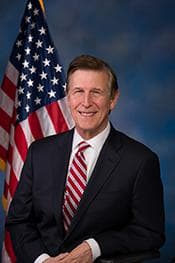
- Donald Beyer
- Cosponsors
- - 2 - 2
- Introduced
- In Committee
What this bill would do
The Veterans Transition Support Act of 2025 aims to improve the Department of Veterans Affairs Solid Start program. It expands outreach to members of the Armed Forces and requires the Department of Veterans Affairs to coordinate with the Department of Defense. The bill mandates that the program call members at least once between 210 and 120 days before their separation. During these calls, members will be informed about transitional health care and provided with contact information for the nearest Department facility and recognized representatives for disability claims. It also requires the collection of Department of Defense suicide prevention resources to help members in crisis.
Yes· 3 of 17
Would veterans be better off under this, taking everything together?+10
Directly improves the transition process, healthcare awareness, and benefits access for new veterans.
Does this increase the pay, pensions or support veterans receive?+9
Significantly improves the transition process and access to benefits for separating military members.
Does this help veterans get medical care?+8
Improves awareness and access to transitional health care and local VA facilities.
The opposite
No question was scored the opposite.
Who it would affect, and how
Potential Positive Impacts for People
-
Increased Support for Separating Members: The bill requires the Solid Start program to prioritize outreach to members between 120 and 210 days before separation, ensuring they get help when it is most needed (Section 2(b)(1)).
-
Crisis Resource Access: The program will collect suicide prevention policies and referral protocols from the Department of Defense to inform members in crisis about available resources (Section 2(b)(1)).
-
Guaranteed Communication: The bill mandates calling every member at least once between 210 and 120 days before separation, regardless of their service characterization or separation type (Section 2(b)(1)).
-
Health Care Awareness: Members will be informed about the transitional health care available under section 1145 of title 10 (Section 2(b)(1)).
-
Assistance with Disability Claims: The program will provide contact information for recognized organizations, agents, or attorneys who can help members file disability compensation claims (Section 2(b)(1)).
-
Localized Support: Members will receive contact information for the Department facility closest to their permanent residence (Section 2(b)(1)).
-
Targeted Outreach for Women: The bill specifically includes providing for members who are women (Section 2(b)(1)).
Potential Negative Impacts for People
- No negative impacts for individuals or groups are explicitly mentioned in the provided text.
Groups and Interests Ranking
Every group the model scored this bill for, from -10 to +10. Hover a score for the reason it gave.
- Demographic And Interest Groups
- Good For Veterans+10Good For People With Disabilities+7Good For Young Adults+7Good For Women+6Good For Low Income Households+5Good For Men+5Good For Middle Aged+5Good For Retirees+5Good For Middle Class Households+4
- Healthcare
- Improves Veterans Healthcare+8Improves Mental Health Access+7Improves Healthcare Access+6
- Social Issues And Justice
- Improves Disability Rights+5Improves Poverty Reduction+4Reduces Homelessness+4Improves Gender Equality+3
- National Security And Foreign Policy
- Improves Veterans Benefits+9
- 1/7/2026
- 1 Cosponsor added.
- 12/2/2025
- 1 Cosponsor added.
- 11/17/2025
- Referred to the Subcommittee on Economic Opportunity.
- 11/7/2025
- Referred to the House Committee on Veterans' Affairs.
- 2 Cosponsors added.
- Introduced in House
 Juan Ciscomani
Republican · Arizona
 Brian Fitzpatrick
Republican · Pennsylvania
 Morgan McGarvey
Democrat · Kentucky
 Suhas Subramanyam
Democrat · Virginia