Bill · H.R. 5844· House(119-HR-5844)
Harm Reduction Through Community Engagement Act of 2025
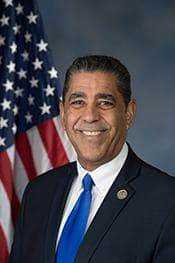
- Introduced
- 10/28/2025
- Last activity
- 10/28/2025 — Referred to the Committee on Energy and Commerce, and in addition to the Committee on the Judiciary, for a period to be subsequently determined by the Speaker, in each case for consideration of such provisions as fall within the jurisdiction of the committee concerned.
- Sponsored by
- Adriano Espaillat
- Cosponsors
- None
- Introduced
- In Committee
What this bill would do
This bill is called the Harm Reduction Through Community Engagement Act of 2025. It amends the Controlled Substances Act to change the registration requirements for opioid treatment programs. The bill requires programs to increase stakeholder input from relevant communities and ensure they are treating patients in need. It also sets up strict location rules and requires programs to track and report various data points, including treatment performance and telehealth effectiveness. Finally, the Secretary must submit annual reports to Congress regarding community engagement and clinic maintenance.
Yes· 3 of 6
Does this do more about addiction and overdose deaths?+4
It enhances community engagement and accountability for opioid treatment programs, aiming to better address local impacts and substance abuse treatment needs.
Would people in cities be better off under this?+3
Neighborhood engagement plans and community advisory boards aim to resolve quality-of-life and public safety issues in surrounding communities.
Does this make what the government does easier for the public to see?+3
It requires annual reporting to Congress on community engagement and clinic maintenance performance data.
The opposite
No question was scored the opposite.
Who it would affect, and how
Potential Positive Impacts for People
-
Section 2(a) requires applicants to actively promote the use of telehealth to minimize the need for patients to physically appear for treatment, which could make healthcare more accessible for individuals who struggle with travel or scheduling.
-
Section 2(a) mandates that applicants designate a community liaison to build cooperative relationships with local elected officials, law enforcement, and local community-based organizations, potentially fostering better communication and community trust.
-
Section 2(b) requires practitioners to establish and maintain a community advisory board consisting of volunteers from various stakeholder groups, which gives local community members a direct voice regarding the treatment program.
-
Section 2(b) directs practitioners to develop and implement a community relations plan to resolve community problems such as loitering, blocked pathways, open-air drug trading, uncapped needles in public walkways, and open drug use.
Potential Negative Impacts for People
- Section 2(a) prohibits treatment from being provided within one-half mile of a public or private licensed day care center, a public or private elementary or secondary school, a learning center, a playground, or another drug treatment facility or program, which could severely limit where treatment programs can operate and make it harder for patients to access care.
Groups and Interests Ranking
Every group the model scored this bill for, from -10 to +10. Hover a score for the reason it gave.
- Healthcare
- Improves Opioid Crisis Response+4Improves Healthcare Access+2
- Demographic And Interest Groups
- Good For Urban Residents+3Good For Children+2
- Governance And Ideology
- Improves Government Transparency+3Increases Federal Power+2
- 10/28/2025
- Referred to the Committee on Energy and Commerce, and in addition to the Committee on the Judiciary, for a period to be subsequently determined by the Speaker, in each case for consideration of such provisions as fall within the jurisdiction of the committee concerned.
- Introduced in House