Bill · H.R. 5746· House(119-HR-5746)
MARA Act of 2025
- Introduced
- 10/14/2025
- Last activity
- 10/14/2025 — Referred to the Committee on Natural Resources, and in addition to the Committee on Education and Workforce, for a period to be subsequently determined by the Speaker, in each case for consideration of such provisions as fall within the jurisdiction of the committee concerned.
- Sponsored by
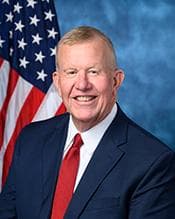
- Mike Ezell
- Cosponsors
- - 4 - 4
- Introduced
- In Committee
What this bill would do
The MARA Act of 2025 seeks to establish an assessment program for commercial-scale offshore aquaculture through demonstration projects. It mandates the creation of an Office of Aquaculture within the National Marine Fisheries Service to coordinate research, regulation, and outreach. The bill establishes Aquaculture Centers of Excellence to support industry growth and workforce development. Additionally, it provides for a Working Waterfronts Preservation Grant Program to support existing seafood industry businesses. The legislation also requires scientific studies and reports to assess the environmental and regulatory viability of the industry. Ultimately, the goal is to expand the domestic supply of seafood and reduce the United States seafood trade deficit.
Yes· 3 of 14
Is this likely to create jobs?+7
The bill establishes workforce development grants and aquaculture centers of excellence to create new jobs in the seafood industry.
Would business owners be better off under this?+6
The bill provides direct support through grants for industry development and infrastructure preservation.
Would Black Americans be better off under this?+5
The bill provides grant opportunities specifically for historically Black colleges and universities.
The opposite
Does this better protect air, water and wildlife?-4
The bill introduces risks of escapes, wildlife entanglement, and pollution to the marine environment through offshore aquaculture.
Who it would affect, and how
Potential Positive Impacts for People
- Job Creation and Economic Support: The bill aims to create new jobs and support existing jobs and businesses within the seafood industry, including those in traditional fishing industries (Section 2).
- Workforce Training: The establishment of Aquaculture Centers of Excellence and workforce development grants will support the education and training of individuals needing skills to manage and operate offshore aquaculture facilities (Section 301 and 302).
- Support for Diverse Institutions: Grant programs for aquaculture curriculum are directed toward "covered institutions," which include minority-serving, Native Hawaiian-serving, Alaska Native-serving, Tribal colleges, and historically Black colleges or universities (Section 302).
- Preservation of Coastal Infrastructure: The Working Waterfronts Preservation Grant Program allows for the acquisition or improvement of wharfs, boat ramps, and other facilities to support commercial and recreational fishing and related businesses (Section 303).
- Increased Seafood Supply: The act intends to reduce the United States seafood trade deficit by expanding the domestic supply of seafood (Section 2).
Potential Negative Impacts for People
- Environmental and Wildlife Risks: The bill identifies potential risks such as the escape of farmed organisms, wildlife entanglement (including large whales and sea turtles), and adverse impacts on water chemistry and marine habitats (Section s 201 and 202).
- Impact on Existing Ocean Users: There is a recognized risk of adverse impacts on navigation and safety for existing ocean users due to the presence of offshore aquaculture facilities (Section 201).
- Potential for Disease and Pollution: Demonstration projects must manage risks related to the spread of disease from cultured species to wild species and the potential release of antibiotics or pharmaceuticals into the environment (Section 202 and 401).
- Industry Displacement: The bill includes requirements to ensure that aquaculture projects maximize compatibility with, and prevent or minimize the displacement of, existing uses and users of the marine environment (Section 202).
Groups and Interests Ranking
Every group the model scored this bill for, from -10 to +10. Hover a score for the reason it gave.
- Demographic And Interest Groups
- Good For Business Owners+6Good For African Americans+5Good For Native Americans+5Good For Students+5Good For Union Workers+4Good For Rural Residents+3Good For Low Income Households+2
- Economy And Finance
- Increases Job Creation+7Improves Small Business Support+5
- Social Issues And Justice
- Improves Racial Equity+5
- Education And Technology
- Improves College Affordability+4
- National Security And Foreign Policy
- Improves International Trade+4
- Governance And Ideology
- Improves Government Transparency+3
- Environment Energy And Infrastructure
- Improves Rural Development+3Improves Environmental Protections-4
- 1/7/2026
- 1 Cosponsor added.
- 11/21/2025
- 1 Cosponsor added.
- 10/24/2025
- 2 Cosponsors added.
- 10/14/2025
- Referred to the Committee on Natural Resources, and in addition to the Committee on Education and Workforce, for a period to be subsequently determined by the Speaker, in each case for consideration of such provisions as fall within the jurisdiction of the committee concerned.
- 4 Cosponsors added.
- Introduced in House
 Kat Cammack
Republican · Florida
 Ed Case
Democrat · Hawaii
 Mariannette Miller-Meeks
Republican · Iowa
 Jimmy Panetta
Democrat · California
 Derek Schmidt
Republican · Kansas
 Jill Tokuda
Democrat · Hawaii
 Eugene Vindman
Democrat · Virginia
 Randy Weber
Republican · Texas