Bill · H.R. 5583· House(119-HR-5583)
Promoting Permanency Through Kinship Families Act
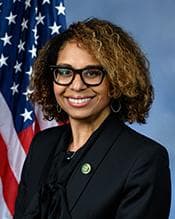
- Introduced
- 9/26/2025
- Last activity
- 9/26/2025 — Referred to the House Committee on Ways and Means.
- Sponsored by
- Sydney Kamlager-Dove
- Cosponsors
- - 2 - 0
- Introduced
- In Committee
What this bill would do
The "Promoting Permanency Through Kinship Families Act" aims to amend the Social Security Act to encourage kinship, foster, or adoptive placements for children. It seeks to remove barriers that prevent relatives and fictive kin from caring for children who cannot live with their parents. The bill requires states to make more active efforts to locate and involve relatives in case planning and documentation. It also implements stricter evidence requirements for states when they decide not to place a child with kin. Additionally, the act expands support services and financial assistance for kinship caregivers. Ultimately, the legislation intends to promote stability and prevent adverse outcomes for youth aging out of foster care.
Yes· 3 of 17
Would children be better off under this?+8
The bill promotes stability, family connections, and increased support services for children in need.
Would households on low incomes be better off under this?+5
The bill provides direct financial assistance and support services to low-income kinship caregivers.
Would Native Americans be better off under this?+5
The bill specifically includes protections for Indian children and their connection to extended family.
The opposite
Does this reduce what the federal government spends?-2
The bill increases federal spending by expanding support services and financial assistance for kinship caregivers.
Who it would affect, and how
Potential Positive Impacts for People
-
Increased Support for Kinship Caregivers: The bill expands services to include "kinship placement support services" such as crisis stabilization, transportation, housing assistance, and utility payments to help stabilize families in crisis (Section 8).
-
Improved Family Stability: By promoting kinship care and providing resources, the bill aims to help children maintain family connections, which can reverse adverse outcomes like homelessness or involvement in the criminal justice system (Section 2).
-
Removal of Barriers to Placement: The act requires that kinship placement not be denied based solely on past allegations of abuse or neglect if the caregiver does not pose a current safety threat (Section 4).
-
Elimination of Age Barriers: The bill ensures that an individual's age (above 18) cannot be used to disqualify them from being a kinship caregiver (Section 5).
-
Easier Access to Financial Assistance: The bill reduces the time required for eligibility for kinship guardianship assistance from six consecutive months to three consecutive months (Section 6).
-
Access to Family Search Technology: The act includes "family finding" efforts that use search technology to find biological family members for children at risk of entering foster care (Section 8).
Potential Negative Impacts for People
-
Increased Burden of Proof for States: States must now provide "clear and convincing evidence" to document several decisions, such as when kinship placement is not in a child's best interest or when efforts to find kin are considered futile (Section 3).
-
Increased Documentation Requirements: State agencies are required to provide more detailed documentation and analysis regarding disproportionality and disparities in their child welfare systems (Section 3).
Groups and Interests Ranking
Every group the model scored this bill for, from -10 to +10. Hover a score for the reason it gave.
- Demographic And Interest Groups
- Good For Children+8Good For Low Income Households+5Good For Native Americans+5Good For Young Adults+4Good For African Americans+3Good For Hispanic Americans+3Good For Immigrants+2Good For Students+2
- Social Issues And Justice
- Improves Poverty Reduction+4Improves Racial Equity+4Reduces Homelessness+4Improves Affordable Housing+3Improves Childcare Affordability+3Improves Criminal Sentencing Reform+2
- Governance And Ideology
- Improves Government Transparency+3
- Healthcare
- Improves Mental Health Access+3
- Economy And Finance
- Reduces Government Spending-2
- Education And Technology
- Improves School Choice+2
- 9/26/2025
- Referred to the House Committee on Ways and Means.
- 2 Cosponsors added.
- Introduced in House
 Gwen Moore
Democrat · Wisconsin
 Mary Gay Scanlon
Democrat · Pennsylvania