Bill · H.R. 5532· House(119-HR-5532)
To direct the Secretary of Education to establish a program to facilitate the transition to tuition-free community college in certain States, and for other purposes.
- Introduced
- 9/19/2025
- Last activity
- 9/19/2025 — Referred to the Committee on Education and Workforce, and in addition to the Committee on Ways and Means, for a period to be subsequently determined by the Speaker, in each case for consideration of such provisions as fall within the jurisdiction of the committee concerned.
- Sponsored by
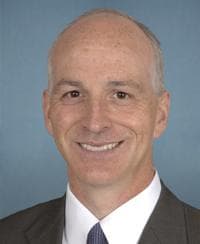
- Adam Smith
- Cosponsors
- None
- Introduced
- In Committee
What this bill would do
This bill directs the Secretary of Education to create a program providing grants to States to help make community college tuition-free for eligible students. Participating States must submit a detailed plan focusing on workforce gaps, education alignment, and student support. The program includes subgrants for institutions to improve supportive services and direct emergency aid for students facing financial hardships. It emphasizes prioritizing individuals with employment barriers or low incomes. The initiative also aims to align education with in-demand industry sectors to increase economic mobility.
Yes· 3 of 33
Would households on low incomes be better off under this?+10
Prioritizes those below 200% of the poverty level and provides emergency aid.
Would students be better off under this?+10
Removes tuition costs and provides emergency financial assistance.
Does this make college cost less?+10
Directly establishes a program for tuition-free community college.
The opposite
Does this reduce what the federal government spends?-5
Increases government spending through federal grants to states and institutions.
Does this reduce what the federal government owes?-3
Authorizes appropriations for a large-scale tuition-free program without specifying funding sources.
Does this make the government pay for what it commits to?-2
Creates new open-ended spending authorizations.
Who it would affect, and how
Potential Positive Impacts for People
-
Tuition-Free Education: Eligible students will not be charged tuition or fees, removing a major financial barrier to higher education (Section 101(b)(8)(C)).
-
Emergency Financial Aid: Students facing crises like food insecurity, loss of housing, or medical conditions can receive subgrants up to $1,500 for those without dependents and $2,500 for those with dependents (Section 103(e)(3)).
-
Wraparound Support Services: Institutions can use funds to provide students with technology, digital literacy courses, and assistance with childcare, transportation, and food (Section 102(c)(1), (8)).
-
Increased Accessibility: The bill focuses on helping people without high school diplomas earn their equivalents at community colleges and ensures AP or IB credits are applied to courses (Section 101(b)(2)).
-
Targeted Assistance: Priority is given to individuals with incomes below 200 percent of the poverty level and those with barriers to employment (Section 101(b)(5)).
Potential Negative Impacts for People
-
Limited Eligibility: Benefits are only available to individuals at least 18 years old who do not already have a postsecondary credential lower than a bachelor's degree and are residents of a participating State (Section 101(f)).
-
Application Burden: Students seeking emergency aid must go through a State-determined application process, which could create a bureaucratic hurdle (Section 103(b)(1)).
-
Dependence on State Participation: Because the program relies on States submitting a complete application and a detailed plan to the Secretary, people in States that do not apply or are not selected will not benefit (Section 101(a)).
Groups and Interests Ranking
Every group the model scored this bill for, from -10 to +10. Hover a score for the reason it gave.
- Demographic And Interest Groups
- Good For Low Income Households+10Good For Students+10Good For Young Adults+9Good For African Americans+7Good For Hispanic Americans+7Good For Middle Class Households+7Good For Native Americans+7Good For Middle Aged+6Good For Rural Residents+6Good For Urban Residents+6Good For Women+6Good For Asian Americans+5Good For Men+5Good For People With Disabilities+5Good For Union Workers+5Good For White Americans+5Good For Business Owners+4
- Social Issues And Justice
- Improves Poverty Reduction+8Improves Childcare Affordability+7Improves Affordable Housing+6Improves Racial Equity+6Reduces Homelessness+5
- Education And Technology
- Improves College Affordability+10Improves Internet Access+5Improves Student Loan Relief+5
- Governance And Ideology
- Improves Government Transparency+5Increases Federal Power+3Increase States Rights+2
- Economy And Finance
- Improves Economic Growth+6Increases Job Creation+5Improves Small Business Support+3Reduces Government Spending-5Reduces National Debt-3Improves Fiscal Responsibility-2
- Environment Energy And Infrastructure
- Improves Rural Development+4
- Healthcare
- Improves Mental Health Access+4
- 9/19/2025
- Referred to the Committee on Education and Workforce, and in addition to the Committee on Ways and Means, for a period to be subsequently determined by the Speaker, in each case for consideration of such provisions as fall within the jurisdiction of the committee concerned.
- Introduced in House