Bill · H.R. 5405· House(119-HR-5405)
Government Shutdown Prevention Act of 2025
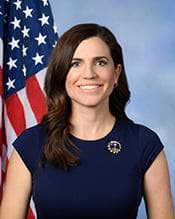
- Introduced
- 9/16/2025
- Last activity
- 9/16/2025 — Referred to the House Committee on Appropriations.
- Sponsored by
- Nancy Mace
- Cosponsors
- None
- Introduced
- In Committee
What this bill would do
This bill is known as the Government Shutdown Prevention Act of 2025. It amends title 31 of the United States Code to provide for automatic continuing resolutions. If a regular appropriation Act has not been enacted by the first day of a fiscal year, the bill provides necessary funds to continue programs, projects, and activities. The funding is provided at a rate of operations not exceeding 94 percent of the rate from the preceding fiscal year. After the first 90-day period, the applicable rate of operations is reduced by 1 percentage point, with additional 1 percentage point reductions for each subsequent 90-day period. Certain entitlements, mandatory payments, and activities under the Food and Nutrition Act of 2008 are funded at the rate necessary to maintain program levels under current law.
Yes· 3 of 5
Does this reduce what the federal government spends?+3
Mandates a 6 percent cut to general program funding rates and further progressive reductions over time, decreasing federal outlays during funding lapses.
Does this reduce what the federal government owes?+2
The bill reduces general program funding by capping operations at 94 percent, which could lead to lower overall government spending during a lapse in appropriations.
Does this make the government pay for what it commits to?+2
Enforces automatic funding mechanisms that reduce spending when regular appropriations are delayed, encouraging fiscal restraint.
The opposite
Does this reduce what is spent on the military?-2
Applies the standard 94 percent funding cap to defense and national security programs during a funding lapse.
Who it would affect, and how
Potential Positive Impacts for People
- Maintains Certain Mandatory and Nutrition Programs: Under section 2(a)(2)(C), entitlements and other mandatory payments, as well as activities under the Food and Nutrition Act of 2008, receive appropriations at the rate necessary to maintain program levels under current law. This is positive because it ensures that critical assistance and mandatory payments are not reduced by the standard 94 percent cap applied to other programs.
Potential Negative Impacts for People
-
Reduction in General Program Funding: Under section 2(a)(2)(A)(i), funding for programs, projects, and activities is capped at 94 percent of the rate of operations from the preceding fiscal year. This could be considered a negative outcome because it immediately cuts funding for general government operations and services at the start of a funding lapse.
-
Progressive Funding Cuts Over Time: Under section 2(a)(2)(A), after the first 90-day period of the automatic continuing appropriation, the applicable rate of operations is reduced by 1 percentage point, with further 1 percentage point reductions for each subsequent 90-day period. This could be viewed as a negative consequence because it deepens funding cuts the longer Congress fails to pass regular appropriations.
Groups and Interests Ranking
Every group the model scored this bill for, from -10 to +10. Hover a score for the reason it gave.
- Economy And Finance
- Reduces Government Spending+3Improves Fiscal Responsibility+2Reduces National Debt+2
- National Security And Foreign Policy
- Reduces Military Spending-2
- Demographic And Interest Groups
- Good For Low Income Households+1
- Social Issues And Justice
- Improves Poverty Reduction+1
- 9/16/2025
- Referred to the House Committee on Appropriations.
- Introduced in House
One bill Congress.gov lists as related to this one — companions in the other chamber, earlier versions, and bills this one absorbed or was folded into.