Bill · H.R. 5372· House(119-HR-5372)
DEMO Act
- Introduced
- 9/16/2025
- Last activity
- 9/16/2025 — Referred to the House Committee on Ways and Means.
- Sponsored by
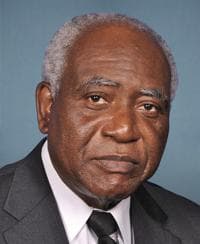
- Danny Davis
- Cosponsors
- None
- Introduced
- In Committee
What this bill would do
The DEMO Act aims to establish demonstration projects to help certain individuals enter the health professions. These projects provide education and training to eligible individuals who have an arrest or conviction record. The focus is on career pathways in occupations that pay well and are expected to face labor shortages or high demand. To qualify, states must have laws allowing certain health credentials to be awarded to people with such records. The Secretary of Health and Human Services will award these grants to various eligible entities. This bill also appropriates $10,000,000 for fiscal year 2026 to carry out these projects.
Yes· 3 of 5
Would households on low incomes be better off under this?+6
The bill specifically targets individuals with incomes not exceeding 138 percent of the Federal poverty level for training and financial support.
Is this likely to lift people out of poverty?+5
The bill targets low-income individuals by providing pathways to well-paying careers in the health professions.
Is this likely to create jobs?+5
The bill funds training and career pathways for individuals to enter high-demand health profession occupations.
The opposite
Does this put more money into public schools?-1
The bill redirects $10,000,000 toward specific professional training demonstration projects rather than general public education.
Who it would affect, and how
Potential Positive Impacts for People
-
Career Advancement for High-Demand Jobs: The bill provides training for individuals to enter health profession occupations that are expected to experience a labor shortage or be in high demand (Section 2(d)(1)).
-
Support for Low-Income Individuals: The program targets "eligible individuals" defined as those whose income does not exceed 138 percent of the Federal poverty level (Section 2(d)(8)(B)).
-
Legal and Financial Assistance: Projects are required to provide access to legal assistance to help participants address arrest or conviction records and associated workforce barriers (Section 2(d)(5)(A)). Additionally, projects may include a reserve fund for financial assistance in emergency situations (Section 2(d)(5)(B)(i)).
-
Addressing Workforce Shortages: The evaluation process aims to identify ways to sustain a health professions workforce that provides increased wages and affordable benefits (Section 2(d)(7)(A)).
Potential Negative Impacts for People
- Requirement for Specific State Laws: To participate, a State must have in effect policies or laws that permit certain health care credentials to be awarded to people with arrest or conviction records, including appeals processes (Section 2(d)(3)(A)).
Groups and Interests Ranking
Every group the model scored this bill for, from -10 to +10. Hover a score for the reason it gave.
- Social Issues And Justice
- Improves Poverty Reduction+5Improves Criminal Sentencing Reform+4
- Demographic And Interest Groups
- Good For Low Income Households+6
- Economy And Finance
- Increases Job Creation+5
- Healthcare
- Improves Healthcare Access+3
- Education And Technology
- Increases Public School Funding-1
- 9/16/2025
- Referred to the House Committee on Ways and Means.
- Introduced in House