Bill · H.R. 5308· House(119-HR-5308)
Service Starts At Home Act
- Introduced
- 9/11/2025
- Last activity
- 9/11/2025 — Referred to the House Committee on Education and Workforce.
- Sponsored by
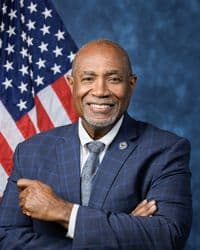
- Herbert Conaway
- Cosponsors
- None
- Introduced
- In Committee
What this bill would do
The "Service Starts At Home Act" directs the Secretary of Education to create grant programs to promote student involvement in local government and volunteering. It establishes competitive grants to fund paid internships in local government for secondary and undergraduate students. Additionally, it creates a scholarship program for students who complete a specific number of volunteer service hours. These scholarships can be used to pay for the cost of attendance at institutions of higher education. The bill also includes a program to recognize schools and educational agencies for their contributions to community service.
Yes· 3 of 13
Would students be better off under this?+9
Directly provides paid internships and scholarships for educational expenses.
Would people in their twenties and thirties be better off under this?+8
Provides paid internships and college scholarships for secondary and undergraduate students.
Would households on low incomes be better off under this?+6
Offers financial aid for college and paid work experience for students.
The opposite
Does this reduce what the federal government owes?-2
Increases federal spending through grant and scholarship appropriations.
Does this reduce what the federal government spends?-2
Authorizes additional spending of $150 million annually from 2026 to 2030.
Does this make the government pay for what it commits to?-1
Adds new federal expenditures without specified offsets.
Who it would affect, and how
Potential Positive Impacts for People
-
Paid Government Internships: Secondary and undergraduate students can gain work experience and earn money through paid internships in local government (Section 2(a)).
-
Support for Challenged Interns: The bill requires entities to seek reasonable accommodations for interns facing childcare needs or transportation difficulties, such as telework or flexible schedules (Section 2(d)(2)).
-
Financial Aid for Volunteers: Students who commit to volunteer service can receive scholarships ranging from $1,000 to $3,000 to help cover the cost of attending higher education (Section 3(b)(8)).
-
Support for New Volunteers: The Federal supplemental scholarship program prioritizes students who have not already received a state-level scholarship (Section 3(c)(3)).
-
School Recognition: Elementary schools, secondary schools, and higher education institutions can be recognized for their overall contributions to community service (Section 4).
Potential Negative Impacts for People
-
Competitive Funding: Because grants for internships and supplemental scholarships are awarded on a "competitive basis," many eligible entities or students may not receive funding (Section 2(a) and Section 3(c)(1)).
-
Strict Volunteer Requirements: First-time applicants must have completed at least 100 hours of volunteer service in the preceding year to be eligible for a scholarship, which may be a barrier for some students (Section 3(b)(3)(A)(ii)).
-
Limited Scholarship Duration: Students are capped at receiving a scholarship for a total of 4 academic years (Section 3(b)(7)).
-
Specific Use of Funds: Scholarship funds are restricted and can only be used to pay for the cost of attendance at an institution of higher education (Section 3(b)(6)).
Groups and Interests Ranking
Every group the model scored this bill for, from -10 to +10. Hover a score for the reason it gave.
- Demographic And Interest Groups
- Good For Students+9Good For Young Adults+8Good For Low Income Households+6Good For Middle Class Households+5Good For Children+2Good For Native Americans+2
- Education And Technology
- Improves College Affordability+6Increases Public School Funding+2
- Social Issues And Justice
- Improves Poverty Reduction+3Improves Childcare Affordability+2
- Economy And Finance
- Increases Job Creation+3Improves Economic Growth+1Reduces Government Spending-2Reduces National Debt-2Improves Fiscal Responsibility-1
- Governance And Ideology
- Increases Federal Power+1
- 9/11/2025
- Referred to the House Committee on Education and Workforce.
- Introduced in House
One bill Congress.gov lists as related to this one — companions in the other chamber, earlier versions, and bills this one absorbed or was folded into.