Bill · H.R. 5275· House(119-HR-5275)
Diagnostic Accuracy in Sepsis Act of 2025
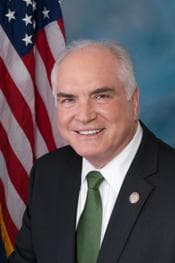
- Introduced
- 9/10/2025
- Last activity
- 9/10/2025 — Referred to the House Committee on Ways and Means.
- Sponsored by
- Mike Kelly
- Cosponsors
- - 4 - 3
- Introduced
- In Committee
What this bill would do
This bill is known as the Diagnostic Accuracy in Sepsis Act of 2025. It was introduced in the House of Representatives on September 10, 2025. The legislation amends title XVIII of the Social Security Act under the Medicare program. Its main purpose is to include blood contamination as a hospital acquired condition. Specifically, it targets blood culture contamination for discharges starting in fiscal year 2026 or later. It also requires the Secretary to establish a measure stating that the rate of blood culture contamination should not exceed 1 percent.
Yes· 3 of 5
Would people over 65 be better off under this?+3
Seniors benefit from Medicare safety standards that reduce hospital-acquired blood culture contamination.
Would retired people be better off under this?+3
Retirees heavily rely on Medicare and benefit from enhanced hospital quality controls and patient safety measures.
Does this make health care easier to get in general?+3
By setting a benchmark to keep blood culture contamination rates under 1 percent, it enhances patient safety and healthcare quality.
The opposite
No question was scored the opposite.
Who it would affect, and how
Potential Positive Impacts for People
-
Better hospital standards through contamination limits: Section 2 adds blood culture contamination as a hospital acquired condition under the Medicare program starting in fiscal year 2026. This is positive because it holds hospitals accountable for keeping these contamination rates low.
-
Clear performance goals for hospitals: Section 2 creates a new paragraph (7) which requires the Secretary to establish a blood culture contamination measure on the basis that the rate should not exceed 1 percent. This gives hospitals a clear common sense limit to protect patients.
Potential Negative Impacts for People
- Based on the text provided, there are no specific sections or provisions identified that create negative consequences or burdens for individuals or groups of people.
Groups and Interests Ranking
Every group the model scored this bill for, from -10 to +10. Hover a score for the reason it gave.
- Demographic And Interest Groups
- Good For Retirees+3Good For Seniors+3
- Healthcare
- Improves Healthcare Access+3Increases Medicare Funding+2
- Governance And Ideology
- Increases Federal Power+1
- 7/15/2026
- 1 Cosponsor added.
- 6/23/2026
- 1 Cosponsor added.
- 5/21/2026
- 1 Cosponsor added.
- 11/18/2025
- 1 Cosponsor added.
- 11/17/2025
- 1 Cosponsor added.
- 9/19/2025
- 1 Cosponsor added.
- 9/10/2025
- Referred to the House Committee on Ways and Means.
- 1 Cosponsor added.
- Introduced in House
 Angie Craig
Democrat · Minnesota
 Josh Gottheimer
Democrat · New Jersey
 Kevin Hern
Republican · Oklahoma
 Carol Miller
Republican · West Virginia
 Adrian Smith
Republican · Nebraska
 Claudia Tenney
Republican · New York
 Eugene Vindman
Democrat · Virginia