Bill · H.R. 5264· House(119-HR-5264)
SPEED for Broadband Infrastructure Act of 2025
- Introduced
- 9/10/2025
- Last activity
- 9/10/2025 — Referred to the Committee on Energy and Commerce, and in addition to the Committee on Natural Resources, for a period to be subsequently determined by the Speaker, in each case for consideration of such provisions as fall within the jurisdiction of the committee concerned.
- Sponsored by
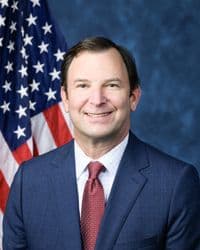
- Craig Goldman
- Cosponsors
- None
- Introduced
- In Committee
What this bill would do
This bill, known as the "SPEED for Broadband Infrastructure Act of 2025," aims to amend the Communications Act of 1934. It seeks to exempt certain communications facility projects from specific environmental and historical preservation reviews. These exemptions apply to federal authorizations for "covered projects" and specific federal easements. The bill targets projects involving the placement or installation of new or replacement communications facilities under certain size and location constraints. By streamlining these requirements, the bill intends to facilitate the deployment of broadband infrastructure.
Yes· 3 of 8
Does this get reliable internet to more people?+5
The bill aims to accelerate the deployment of broadband and wireless services by streamlining the permitting process.
Is this likely to create jobs?+3
By streamlining the deployment of broadband infrastructure, the bill may indirectly support job creation in the telecommunications sector.
Would people in rural areas be better off under this?+3
Streamlining the installation of new communications facilities can aid in bringing better broadband access to rural areas.
The opposite
Does this better protect air, water and wildlife?-5
The bill exempts certain broadband projects from National Environmental Policy Act reviews, reducing environmental oversight.
Would Native Americans be better off under this?-4
The bill specifically excludes Tribal land held in trust from these streamlined easement provisions unless the Tribal Government requests otherwise.
Does this make what the government does easier for the public to see?-2
The exemption of projects from standard environmental and historical review processes may reduce public notice and visibility of federal actions.
Who it would affect, and how
Potential Positive Impacts for People
-
Streamlined Infrastructure Deployment: Certain projects for placing or installing communications facilities will no longer be considered "major Federal action" under the National Environmental Policy Act of 1969 or an "undertaking" under the National Historic Preservation Act (Section 2, subsection a). This could lead to faster deployment of communications facilities.
-
Easier Access to Federal Property: If a federal easement has already been granted for a utility or communications facility on a specific property, new easements for communications facilities can be granted without undergoing the same environmental or historical reviews (Section 2, subsection b).
-
Efficient Broadband Expansion: The bill specifically targets "covered projects," which include new facilities within public rights-of-way that meet specific height requirements, replacements for existing facilities, or expansions of existing sites (Section 2, subsection c, clause 4).
Potential Negative Impacts for People
-
Reduction in Environmental Oversight: By exempting covered projects from being considered a "major Federal action" under the National Environmental Policy Act of 1969, the bill removes certain environmental review requirements (Section 2, subsection a, clause 1).
-
Reduction in Historical Preservation Oversight: The bill exempts covered projects from being considered an "undertaking" under the National Historic Preservation Act, which could impact the preservation of historical sites (Section 2, subsection a, clause 2).
-
Exclusion of Tribal Land: The definition of a "covered easement" excludes Tribal land held in trust by the Federal Government, unless the specific Tribal Government requests that the Commission not exclude that land (Section 2, subsection c, clause 3).
Groups and Interests Ranking
Every group the model scored this bill for, from -10 to +10. Hover a score for the reason it gave.
- Economy And Finance
- Increases Job Creation+3Improves Small Business Support+2
- Education And Technology
- Improves Internet Access+5
- Environment Energy And Infrastructure
- Improves Public Transit+1Improves Environmental Protections-5
- Demographic And Interest Groups
- Good For Rural Residents+3Good For Low Income Households+2Good For Urban Residents+2Good For Native Americans-4
- Governance And Ideology
- Improves Government Transparency-2
- Social Issues And Justice
- Improves Affordable Housing+1
- 9/10/2025
- Referred to the Committee on Energy and Commerce, and in addition to the Committee on Natural Resources, for a period to be subsequently determined by the Speaker, in each case for consideration of such provisions as fall within the jurisdiction of the committee concerned.
- Introduced in House