Bill · H.R. 5258· House(119-HR-5258)
Lawsuit Abuse Reduction Act of 2025
- Introduced
- 9/10/2025
- Last activity
- 9/10/2025 — Referred to the House Committee on the Judiciary.
- Sponsored by
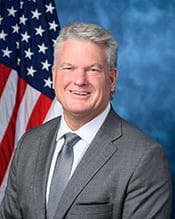
- Mike Collins
- Cosponsors
- - 6 - 0
- Introduced
- In Committee
What this bill would do
This bill, titled the "Lawsuit Abuse Reduction Act of 2025," seeks to amend Rule 11 of the Federal Rules of Civil Procedure. The primary goal is to improve attorney accountability. It changes how sanctions are handled by shifting certain language from discretionary to mandatory. The Act also addresses how parties are compensated for expenses resulting from violations. Finally, it includes a rule of construction to ensure it does not impede existing legal claims or defenses.
Yes
Does this give people more protection from unfair business practices?+4
The bill increases the likelihood of compensation for injured parties through mandatory orders for reasonable expenses and attorney's fees.
Does this protect the right to fair treatment by the courts?+3
The bill enhances accountability for legal misconduct by mandating the payment of reasonable expenses to injured parties.
Would households on low incomes be better off under this?+2
The bill provides a mechanism to ensure injured parties are compensated for attorney's fees and costs incurred due to legal violations.
The opposite
No question was scored the opposite.
Who it would affect, and how
Potential Positive Impacts for People
-
Mandatory Sanctions: By striking "may" and inserting "shall" in Rule 11(c)(1), the bill makes certain sanctions mandatory rather than optional (Section 2(a)(1)). This could provide more certainty for those facing improper legal conduct.
-
Compensation for Injured Parties: The bill amends the rules to ensure that sanctions include an order to pay the injured party's reasonable expenses, including attorney's fees and costs (Section 2(a)(3)). This aims to compensate people directly for the costs caused by a violation.
-
Deterrence and Additional Sanctions: The court is granted the ability to impose additional sanctions like striking pleadings or dismissing suits, or requiring a penalty payment to the court if it is necessary for effective deterrence (Section 2(a)(3)).
Potential Negative Impacts for People
-
Increased Financial Burden through Sanctions: While intended to compensate the injured, the bill mandates that sanctions consist of an order to pay reasonable expenses and attorney's fees incurred as a direct result of a violation (Section 2(a)(3)). This imposes a direct financial obligation on the party found in violation.
-
Potential Case Dismissal: The bill allows for more severe non-monetary sanctions, such as the court striking pleadings or dismissing a suit (Section 2(a)(3)). This could result in the loss of a legal case for the party involved.
Groups and Interests Ranking
Every group the model scored this bill for, from -10 to +10. Hover a score for the reason it gave.
- Economy And Finance
- Improves Consumer Protection+4
- Governance And Ideology
- Improves Due Process+3
- Demographic And Interest Groups
- Good For Low Income Households+2
- 5/13/2026
- 1 Cosponsor added.
- 4/27/2026
- 1 Cosponsor added.
- 4/22/2026
- 1 Cosponsor added.
- 9/10/2025
- Referred to the House Committee on the Judiciary.
- 3 Cosponsors added.
- Introduced in House
 Lance Gooden
Republican · Texas
 Brandon Gill
Republican · Texas
 Harriet Hageman
Republican · Wyoming
 Pat Harrigan
Republican · North Carolina
 Thomas Tiffany
Republican · Wisconsin
 Tony Wied
Republican · Wisconsin