Bill · H.R. 5162· House(119-HR-5162)
Colorectal Cancer Early Detection Act
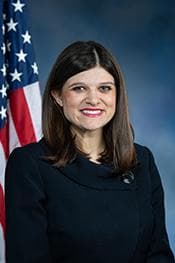
- Introduced
- 9/4/2025
- Last activity
- 9/4/2025 — Referred to the House Committee on Energy and Commerce.
- Sponsored by
- Haley Stevens
- Cosponsors
- - 0 - 3
- Introduced
- In Committee
What this bill would do
The Colorectal Cancer Early Detection Act authorizes the Secretary of Health and Human Services to provide competitive grants to States through the CDC. These grants are intended to increase awareness, education, and early detection of colorectal cancer, specifically among young individuals under age 45. States can use the funds for outreach, partnering with various organizations, and supporting diagnostic testing for high-risk individuals. The program also aims to educate health professionals and establish monitoring systems for screening quality. Grants are awarded for a five-year period and may be renewed by the Secretary.
Yes· 3 of 9
Would people in their twenties and thirties be better off under this?+7
The bill focuses on improving early detection and education for individuals under the age of 45.
Does this make health care easier to get in general?+6
The bill funds outreach, education, and diagnostic testing to improve access to colorectal cancer screening.
Would Black Americans be better off under this?+5
The bill specifically identifies African Americans as a group for targeted outreach and education.
The opposite
No question was scored the opposite.
Who it would affect, and how
Potential Positive Impacts for People
-
Improved Early Detection for High-Risk Youth: The bill allows for grants to support early detection and diagnostic testing for young individuals deemed to be at increased or high risk, which may help identify the disease sooner (Section 3(d)(1)).
-
Targeted Outreach for Vulnerable Groups: Funds can be used to conduct outreach specifically for individuals in underserved and rural areas, as well as those identifying as American Indian, Alaska Native, or African American (Section 3(c)(1)(B)).
-
Medical Guidance and Support: The act allows for the provision of appropriate referrals for medical treatment, including genetic testing and counseling, as well as establishing patient navigation support (Section 3(d)(2) and Section 3(d)(8)).
-
Enhanced Professional Knowledge: Grants can be used to educate health professionals on conducting and interpreting screenings and the latest advancements in early detection (Section 3(d)(4)).
Potential Negative Impacts for People
- Requirement to Return Funds: States that do not spend all their allocated money must return any unspent grant funds within six months after the grant period ends (Section 3(f)).
Groups and Interests Ranking
Every group the model scored this bill for, from -10 to +10. Hover a score for the reason it gave.
- Demographic And Interest Groups
- Good For Young Adults+7Good For African Americans+5Good For Native Americans+5Good For Low Income Households+4Good For Rural Residents+4
- Healthcare
- Improves Healthcare Access+6Increases Research Funding+4
- Social Issues And Justice
- Improves Racial Equity+5Improves Poverty Reduction+2
- 6/25/2026
- 1 Cosponsor added.
- 1/8/2026
- 1 Cosponsor added.
- 9/4/2025
- Referred to the House Committee on Energy and Commerce.
- 1 Cosponsor added.
- Introduced in House
One bill Congress.gov lists as related to this one — companions in the other chamber, earlier versions, and bills this one absorbed or was folded into.
 Don Bacon
Republican · Nebraska
 Tim Burchett
Republican · Tennessee
 Brian Fitzpatrick
Republican · Pennsylvania