Bill · H.R. 5138· House(119-HR-5138)
ASPIRE Act
- Introduced
- 9/4/2025
- Last activity
- 9/4/2025 — Referred to the House Committee on Agriculture.
- Sponsored by
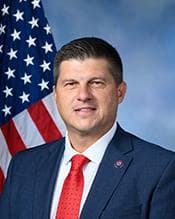
- Brad Finstad
- Cosponsors
- - 0 - 4
- Introduced
- In Committee
What this bill would do
This bill is known as the Agriculture Skills Preparation for Industry Recruitment Efforts Act or the ASPIRE Act. It amends the Food, Agriculture, Conservation, and Trade Act of 1990 to authorize grants for eligible institutions to carry out agriculture workforce training programs. Eligible institutions include specific types of land-grant institutions, colleges, and career and technical education schools. These programs are developed in collaboration with targeted industry partners to provide students with internships, apprenticeships, and technical skills. The Secretary of Agriculture must implement these provisions by January 31, 2026.
Yes· 3 of 20
Would students be better off under this?+8
Directly benefits students through new internships, apprenticeships, and skill-building workshops.
Would people in their twenties and thirties be better off under this?+7
Provides students with critical internships, apprenticeships, and technical workshops to start their careers.
Would farmers be better off under this?+6
Increases the availability of trained workers and promotes industry growth.
The opposite
No question was scored the opposite.
Who it would affect, and how
Potential Positive Impacts for People
-
Section 2 (Section 2501(d)(16)(B)): This provision authorizes grants to eligible institutions to develop and carry out agriculture workforce training programs. This is positive because it aims to promote the growth and competitiveness of the agriculture industry while improving the training and retention of agricultural workers.
-
Section 2 (Section 2501(d)(16)(A)(i)): Students enrolled at eligible institutions can receive training from targeted industry partners through internships, apprenticeships, experience-based curricula, and educational programs. This is beneficial for individuals because it provides hands-on learning experiences and helps build technical skills for employment.
-
Section 2 (Section 2501(d)(16)(C)): Eligible institutions must use grant funds for preliminary recruitment measures and professional development sessions to train faculty. This is positive as it actively encourages student participation and ensures that educators are well-prepared to teach students for the agriculture workforce.
Potential Negative Impacts for People
- The provided text does not contain any specific sections or provisions that outline potential negative consequences or burdens for individuals or groups of people in the United States.
Groups and Interests Ranking
Every group the model scored this bill for, from -10 to +10. Hover a score for the reason it gave.
- Demographic And Interest Groups
- Good For Students+8Good For Young Adults+7Good For Farmers+6Good For Rural Residents+6Good For Business Owners+5Good For African Americans+4Good For Hispanic Americans+4Good For Low Income Households+4Good For Native Americans+4Good For Middle Aged+3Good For Middle Class Households+3Good For Asian Americans+2Good For White Americans+2
- Economy And Finance
- Increases Job Creation+5Improves Economic Growth+3Improves Small Business Support+3
- Environment Energy And Infrastructure
- Improves Rural Development+5
- Social Issues And Justice
- Improves Racial Equity+3Improves Poverty Reduction+2
- Governance And Ideology
- Increases Federal Power+1
- 12/18/2025
- 2 Cosponsors added.
- 9/15/2025
- 1 Cosponsor added.
- 9/4/2025
- Referred to the House Committee on Agriculture.
- 1 Cosponsor added.
- Introduced in House
4 bills Congress.gov lists as related to this one — companions in the other chamber, earlier versions, and bills this one absorbed or was folded into.
 Joe Neguse
Democrat · Colorado
 Chellie Pingree
Democrat · Maine
 Derek Tran
Democrat · California
 Eugene Vindman
Democrat · Virginia