Bill · H.R. 509· House(119-HR-509)
Western Hemisphere Nearshoring Act
- Introduced
- 1/16/2025
- Last activity
- 1/16/2025 — Referred to the Committee on Ways and Means, and in addition to the Committee on Foreign Affairs, for a period to be subsequently determined by the Speaker, in each case for consideration of such provisions as fall within the jurisdiction of the committee concerned.
- Sponsored by
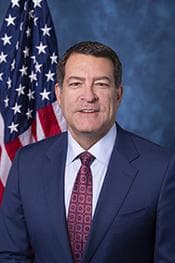
- Mark Green
- Cosponsors
- None
- Introduced
- In Committee
What this bill would do
The Western Hemisphere Nearshoring Act aims to reduce American dependency on manufacturing in the People's Republic of China and decrease migration caused by economic instability. The bill provides financial assistance through the DFC to help corporations move operations from China to Latin America or the Caribbean. It authorizes duty-free treatment for specific goods and services produced by these qualifying corporations. Additionally, the act establishes a trust fund using tariffs collected from Chinese goods to fund these initiatives. The legislation also seeks to expand trade agreements and nuclear cooperation within the Western Hemisphere.
Yes· 3 of 9
Would business owners be better off under this?+7
The bill offers significant tax advantages and low-interest financing for corporations relocating manufacturing.
Is this likely to create jobs?+6
The act provides financial incentives and duty-free treatment to encourage corporations to relocate manufacturing and create jobs in the Western Hemisphere.
Does this make trade with other countries easier?+6
The bill facilitates expanded commercial ties and trade agreements within the Western Hemisphere.
The opposite
No question was scored the opposite.
Who it would affect, and how
Potential Positive Impacts for People
-
Job Creation for American Workers: The bill intends to create jobs for American workers by expanding commercial ties and reducing dependence on China (Section 2).
-
Financial Support for Relocating Businesses: The DFC will use at least 10 percent of specific available funds to finance moving costs, workforce development, and reduced interest rates for qualified corporations (Section 3).
-
Tax Incentives for Manufacturers: Companies relocating manufacturing property to Latin American or Caribbean countries can utilize a 75 percent increased expensing rate for qualified property (Section 10).
-
Trade Benefits for Moving Corporations: The President is authorized to provide duty-free or preferential treatment for goods and services produced by corporations that receive assistance (Section 4).
-
Economic Stability in the Region: By encouraging economic growth, development, and private sector investment, the bill aims to bring strength and stability to the Western Hemisphere (Section 2).
Potential Negative Impacts for People
-
Employment Restrictions: The DFC is prohibited from providing assistance if the Secretary of Commerce determines it would result in a negative effect on employment in the United States (Section 3).
-
Strict Compliance Requirements: Corporations face the loss of duty-free treatment and a shift to market interest rates if they fail to meet specific requirements regarding job creation, ownership, or asset movement (Section 5).
-
Asset Movement Mandates: To receive assistance, a corporation must move all assets related to the financing from the People's Republic of China to a Latin American or Caribbean country within a specific timeframe (Section 5).
Groups and Interests Ranking
Every group the model scored this bill for, from -10 to +10. Hover a score for the reason it gave.
- Economy And Finance
- Increases Job Creation+6Improves Economic Growth+5Reduces Small Business Taxes+5
- National Security And Foreign Policy
- Improves International Trade+6Improves International Alliances+5
- Demographic And Interest Groups
- Good For Business Owners+7Good For Immigrants+3
- Social Issues And Justice
- Improves Poverty Reduction+3
- Environment Energy And Infrastructure
- Improves Rural Development+2
- 1/16/2025
- Referred to the Committee on Ways and Means, and in addition to the Committee on Foreign Affairs, for a period to be subsequently determined by the Speaker, in each case for consideration of such provisions as fall within the jurisdiction of the committee concerned.
- Introduced in House