Bill · H.R. 4904· House(119-HR-4904)
PHASE Act of 2025
- Introduced
- 8/5/2025
- Last activity
- 8/6/2025 — Referred to the Subcommittee on Highways and Transit.
- Sponsored by
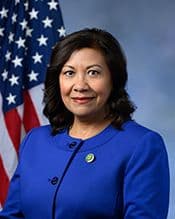
- Norma Torres
- Cosponsors
- - 2 - 0
- Introduced
- In Committee
What this bill would do
This bill, known as the "Pedestrian Hazard, Awareness, and Safety Expansion Act of 2025," aims to protect pedestrians and vulnerable road users from traffic incidents. It directs the Director of NIST to share innovative technology solutions to enhance traffic control devices for vehicle operators and pedestrians. The Secretary of Transportation is required to conduct a study on physical alternatives to reduce crashes and fatalities in urban areas. This study includes examining intelligent speed assistance and blind spot detection safety systems. Additionally, the Secretary will establish a grant program to help cities, Indian Tribes, and municipalities improve pedestrian infrastructure. The bill also authorizes $5,000,000 for each fiscal year to fund this grant program.
Yes· 3 of 7
Would people with disabilities be better off under this?+7
The bill funds infrastructure specifically required by the ADA, such as accessible curb ramps and signals.
Would people in cities be better off under this?+6
The bill directs research and funding toward urban areas where pedestrian fatalities have increased.
Does this expand the rights of people with disabilities?+6
The bill mandates that the grant program implements infrastructure that complies with the Americans with Disabilities Act, including accessible sidewalks and curb ramps.
The opposite
No question was scored the opposite.
Who it would affect, and how
Potential Positive Impacts for People
-
Improved Traffic Control Devices: The Director of NIST will transmit potential solutions using innovative technologies to better equip vehicle operators and protect pedestrians (Section 2).
-
Targeted Safety Research: The Secretary of Transportation will study urban areas where pedestrian fatalities have increased to determine where crashes occur most frequently (Section 3(a)(1)).
-
Enhanced Safety Systems Research: The study will examine physical alternatives to reduce crashes and look into the impact of intelligent speed assistance and blind spot detection (Section 3(a)(2) and 3(a)(3)).
-
Infrastructure Improvements through Grants: A grant program will allow cities, Indian Tribes, and municipalities to implement safety improvements such as innovative crosswalk technology, expanded buffer zones, accessible sidewalks, increased lighting, and accessible curb ramps (Section 3(c)).
Potential Negative Impacts for People
- Potential Driver Distraction: The bill notes that potential technological solutions must be vetted to ensure they do not overwhelm, overstimulate, or distract vehicle operators, including bicyclists or pedestrians (Section 2).
Groups and Interests Ranking
Every group the model scored this bill for, from -10 to +10. Hover a score for the reason it gave.
- Demographic And Interest Groups
- Good For People With Disabilities+7Good For Urban Residents+6Good For Native Americans+5Good For Low Income Households+3
- Social Issues And Justice
- Improves Disability Rights+6
- Environment Energy And Infrastructure
- Improves Roads And Bridges+5
- Education And Technology
- Increases Scientific Research Funding+4
- 4/28/2026
- 1 Cosponsor added.
- 8/6/2025
- Referred to the Subcommittee on Highways and Transit.
- 8/5/2025
- Referred to the Committee on Transportation and Infrastructure, and in addition to the Committee on Science, Space, and Technology, for a period to be subsequently determined by the Speaker, in each case for consideration of such provisions as fall within the jurisdiction of the committee concerned.
- 1 Cosponsor added.
- Introduced in House
 Suzanne Bonamici
Democrat · Oregon
 Josh Gottheimer
Democrat · New Jersey