Bill · H.R. 4666· House(119-HR-4666)
Baby Clothing Tax Relief Act
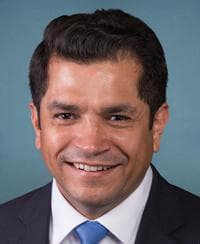
- Introduced
- 7/23/2025
- Last activity
- 7/23/2025 — Referred to the Committee on Ways and Means, and in addition to the Committee on Foreign Affairs, for a period to be subsequently determined by the Speaker, in each case for consideration of such provisions as fall within the jurisdiction of the committee concerned.
- Sponsored by
- Jimmy Gomez
- Cosponsors
- - 7 - 0
- Introduced
- In Committee
What this bill would do
This bill, known as the "Baby Clothing Tax Relief Act," aims to stop the President from imposing certain duties on baby clothing items. It specifically prohibits the use of the International Emergency Economic Powers Act to tax these goods. Additionally, it requires the termination of any such duties that are already in effect. The bill also targets duties imposed under other authorities that are substantially similar to those under the International Emergency Economic Powers Act. The protected items include a variety of baby garments, shoes, and accessories.
Yes· 3 of 6
Does this cut taxes for middle-income families?+3
The bill reduces costs for families by terminating duties on various baby clothing items.
Would children be better off under this?+2
The bill lowers the cost of essential clothing and accessories for infants.
Would households on low incomes be better off under this?+2
The bill reduces the cost of baby essentials, providing relief to low-income families.
The opposite
Does this leave more decisions to the states?-2
The bill limits the President's unilateral authority to impose duties under the International Emergency Economic Powers Act.
Does this reduce what the federal government spends?-1
The bill reduces federal revenue by prohibiting and terminating the collection of duties on baby clothing.
Who it would affect, and how
Potential Positive Impacts for People
-
Removal of existing duties: The bill requires the President to terminate any currently active duties on specified baby items under the International Emergency Economic Powers Act (Section 2(a)(2)). This would stop existing taxes on these goods.
-
Protection against future duties: The President is prohibited from imposing new duties on the listed baby items via the International Emergency economic Powers Act (Section 2(a)(1)).
-
Broad coverage of clothing categories: The relief applies to a wide range of baby items, including garments, accessories, socks, booties, shoes, shirts, blouses, pants, trousers, swimsuits, sweaters, dresses, onesies, bodysuits, and hats (Section 3).
-
Closing loopholes: The bill ensures that duties imposed through other authorities similar to the International Emergency Economic Powers Act also have no force or effect (Section 2(b)).
Potential Negative Impacts for People
- No specific negative impacts are mentioned in the text provided.
Groups and Interests Ranking
Every group the model scored this bill for, from -10 to +10. Hover a score for the reason it gave.
- Demographic And Interest Groups
- Good For Children+2Good For Low Income Households+2Good For Middle Class Households+2
- Economy And Finance
- Reduces Middle Class Taxes+3Reduces Government Spending-1
- Governance And Ideology
- Increase States Rights-2
- National Security And Foreign Policy
- Improves International Trade+2
- Social Issues And Justice
- Improves Poverty Reduction+1
- 10/31/2025
- 1 Cosponsor added.
- 8/22/2025
- 1 Cosponsor added.
- 7/23/2025
- Referred to the Committee on Ways and Means, and in addition to the Committee on Foreign Affairs, for a period to be subsequently determined by the Speaker, in each case for consideration of such provisions as fall within the jurisdiction of the committee concerned.
- 5 Cosponsors added.
- Introduced in House
 Shomari Figures
Democrat · Alabama
 Steven Horsford
Democrat · Nevada
 Timothy Kennedy
Democrat · New York
 Seth Magaziner
Democrat · Rhode Island
 Bradley Schneider
Democrat · Illinois
 Suhas Subramanyam
Democrat · Virginia
 Derek Tran
Democrat · California